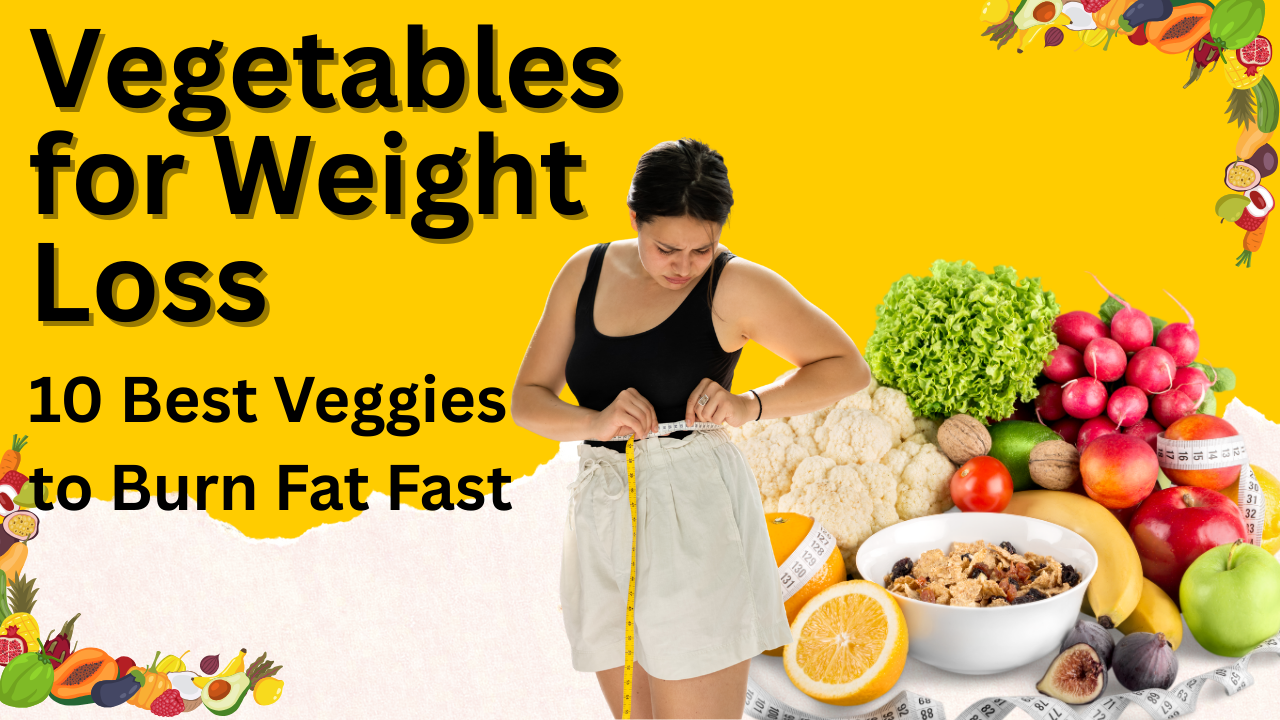
Losing weight can be a challenging journey, but one of the most effective and natural ways to shed extra pounds is by incorporating vegetables for weight loss into your daily diet. These nutrient-rich foods are not only low in calories but also packed with essential vitamins, minerals, and fiber that support metabolism and overall health. Whether you want to boost your energy, improve digestion, or manage cravings, the right vegetables can make your weight loss journey simpler and more enjoyable. 🥦
Vegetables are the cornerstone of a healthy diet because they provide essential nutrients while keeping calorie intake low. Unlike processed foods, vegetables for weight loss offer natural hydration, fiber, and antioxidants that help your body burn fat more efficiently. They also help maintain a feeling of fullness, reducing the tendency to overeat or snack on unhealthy foods. By understanding which vegetables are most effective, you can craft a meal plan that not only supports weight loss but also enhances your overall wellness. 🥗
Incorporating vegetables for weight loss doesn’t mean you have to compromise on taste. With so many colorful options available, each vegetable brings a unique flavor, texture, and set of benefits to your plate. From leafy greens like spinach and kale to crunchy delights like carrots and bell peppers, these foods can be used in salads, smoothies, stir-fries, or even roasted dishes. By making vegetables the focus of your meals, you can create satisfying dishes that fuel your body while promoting weight loss naturally. This article will guide you through the top vegetables for weight loss, their benefits, and practical ways to include them in your diet. 🥒
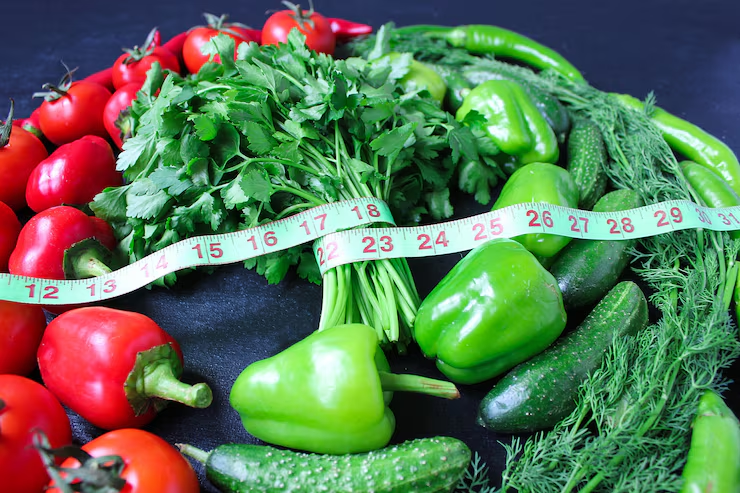
What Are Vegetables for Weight Loss?
Vegetables for weight loss are foods that help you reduce calorie intake while providing essential nutrients that support metabolism and overall health. These vegetables are usually low in calories, high in fiber, and rich in vitamins and minerals. By eating these vegetables regularly, you can promote fat burning, control hunger, and enhance digestive health naturally. 🌱
Most vegetables for weight loss are non-starchy, meaning they have fewer carbohydrates than starchy vegetables like potatoes or corn. Non-starchy vegetables include broccoli, cauliflower, zucchini, and leafy greens. These vegetables not only help reduce calorie intake but also stabilize blood sugar levels, which is important for maintaining consistent energy and reducing cravings. Fiber in these vegetables helps you feel full longer, which prevents overeating and aids in weight management.
Additionally, vegetables for weight loss are often rich in antioxidants and phytochemicals that reduce inflammation and support your metabolism. For example, cruciferous vegetables like broccoli and cabbage contain compounds that enhance fat metabolism and detoxification processes in the body. By including a variety of vegetables in your meals, you not only optimize nutrient intake but also enjoy diverse flavors and textures that make healthy eating more enjoyable. 🥬
Why Include Vegetables for Weight Loss in Your Diet?
Including vegetables for weight loss in your diet is crucial because they provide numerous health benefits beyond calorie reduction. First, they help improve digestion due to their high fiber content. Fiber adds bulk to your stool, promotes regular bowel movements, and supports a healthy gut microbiome. A healthy digestive system is essential for effective weight management and overall well-being. 🌿
Second, vegetables for weight loss provide essential nutrients like vitamins A, C, and K, potassium, and folate. These nutrients support energy production, immune function, and cardiovascular health. For instance, potassium-rich vegetables like spinach and zucchini help regulate fluid balance and blood pressure, which are important during weight loss.
Third, vegetables for weight loss are versatile and can be included in any meal. Whether it’s a spinach salad for lunch, a broccoli stir-fry for dinner, or carrot sticks as a snack, these vegetables help you stay full while keeping calories low. This reduces the temptation to consume high-calorie, processed foods that can hinder your weight loss goals. 🥗
Finally, vegetables for weight loss contain natural antioxidants that combat oxidative stress, which is linked to obesity and metabolic disorders. By including a variety of colorful vegetables in your diet, you can enhance your metabolism, support fat loss, and maintain long-term health. In short, vegetables for weight loss are a natural, effective, and sustainable way to achieve your weight loss goals while nourishing your body. 🥦
Top Vegetables for Weight Loss
Broccoli 🥦
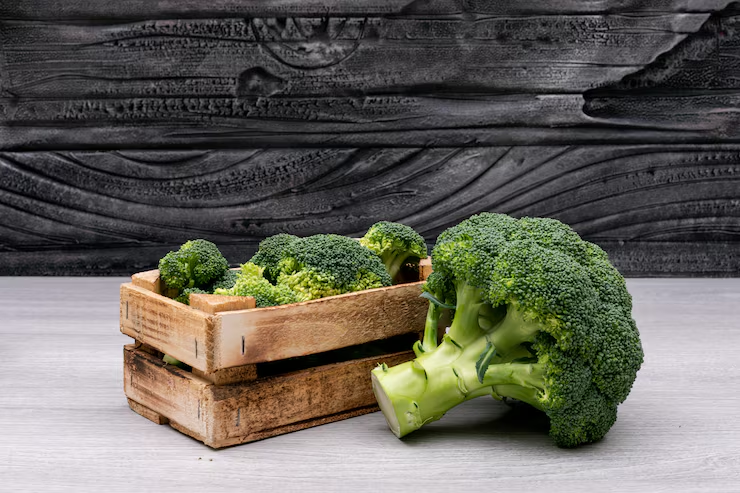
Broccoli is widely recognized as one of the best vegetables for weight loss because it combines low calories with high fiber and nutrient density. One cup of steamed broccoli contains only about 55 calories and provides 2.5 grams of fiber, which helps maintain a feeling of fullness for longer periods. The fiber in broccoli slows down digestion, stabilizes blood sugar levels, and reduces cravings, making it an essential addition to a weight-loss-friendly diet. Including broccoli regularly can naturally lower overall calorie intake while supporting a healthy metabolism.
Beyond fiber, broccoli is packed with essential vitamins and minerals, including vitamin C, vitamin K, and folate. It also contains antioxidants like sulforaphane and glucosinolates, which help reduce inflammation and enhance fat metabolism. These compounds can improve liver detoxification, aiding the body’s ability to burn fat efficiently. Regular consumption of broccoli is linked to better metabolic health, making it a top choice among vegetables for weight loss.
Broccoli is extremely versatile and can be prepared in many ways without losing its nutritional benefits. It can be steamed, roasted, or added to soups, stir-fries, and casseroles. Even raw broccoli with a healthy dip provides a satisfying, low-calorie snack. By incorporating broccoli into your meals at least three to four times a week, you can enjoy nutrient-rich, filling dishes that actively support fat loss and overall health. 🌿
Spinach 🌿
Spinach is a leafy green superfood and one of the most effective vegetables for weight loss due to its low-calorie content and high nutritional value. One cup of raw spinach contains only 7 calories but provides a wealth of nutrients, including vitamins A, C, and K, folate, magnesium, and iron. Its high fiber content promotes satiety, helping you feel full longer and naturally reducing calorie consumption throughout the day.
A unique property of spinach is the presence of thylakoids, plant compounds that slow digestion and increase the release of fullness hormones. This can help manage appetite and prevent overeating, making spinach an excellent choice for anyone following a weight-loss plan. Iron in spinach also supports energy production, ensuring you can stay active and burn more calories, which is critical for sustainable weight loss.
Spinach can be incorporated into your diet in numerous ways. Add it to smoothies, salads, omelets, or soups, or sauté it lightly with garlic as a side dish. Its mild flavor blends seamlessly with other ingredients, allowing you to create nutrient-dense meals that are low in calories. Including spinach regularly as part of vegetables for weight loss supports metabolism, improves digestion, and enhances overall health, making it a vital component of any fat-loss diet. 🥗
Carrots 🥕
Carrots are a crunchy, naturally sweet vegetable and an excellent addition to vegetables for weight loss. One medium carrot contains just 25 calories and 2 grams of fiber, which helps control appetite, stabilize blood sugar levels, and reduce cravings for unhealthy snacks. The fiber content promotes healthy digestion, making carrots a filling and satisfying choice for anyone looking to lose weight.
Carrots are rich in beta-carotene, an antioxidant that converts to vitamin A in the body. This nutrient supports immunity, skin health, and metabolism. Carrots also contain antioxidants that reduce inflammation and oxidative stress, helping your body maintain optimal fat-burning processes. Regular inclusion of carrots in meals can support long-term weight management while providing essential nutrients that promote overall health.
Carrots are versatile and can be enjoyed in many forms. Raw carrot sticks make an excellent snack, roasted carrots add flavor to meals, and shredded carrots enhance salads, soups, and stir-fries. You can even blend carrots into smoothies for natural sweetness and extra fiber. Including carrots regularly in your diet as vegetables for weight loss helps control calorie intake while keeping your meals nutritious, satisfying, and flavorful. 🥕
Cauliflower 🌸
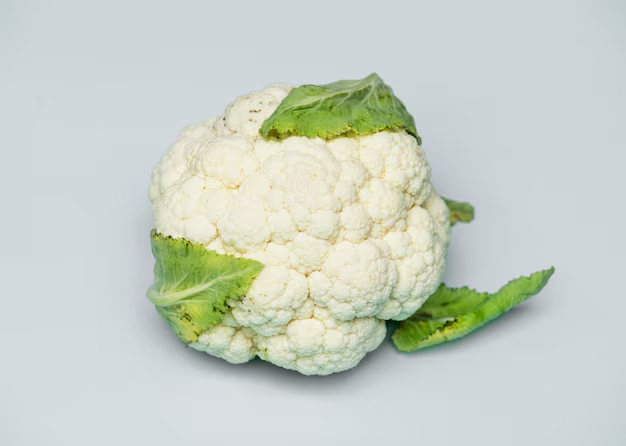
Cauliflower is a cruciferous vegetable and a popular choice among vegetables for weight loss because it is low in calories and high in fiber. One cup of cauliflower contains only 25 calories and 2 grams of fiber, which helps increase satiety, reduce hunger, and promote healthy digestion. Its fiber content is essential for maintaining a balanced diet while controlling overall calorie intake.
In addition to fiber, cauliflower is packed with vitamins C, K, and folate, along with antioxidants such as glucosinolates that improve fat metabolism and reduce inflammation. These compounds also enhance liver detoxification, which is important for efficient fat-burning. Regular consumption of cauliflower supports metabolism, stabilizes blood sugar, and helps maintain a calorie deficit without feeling deprived.
Cauliflower is highly versatile in the kitchen. It can be mashed as a potato substitute, riced for a low-carb alternative, roasted with spices, or added to soups and stir-fries. Its mild flavor allows it to absorb seasonings easily, making meals tasty and enjoyable. Including cauliflower in your diet as part of vegetables for weight loss provides low-calorie, nutrient-dense options that promote fat loss while enhancing overall health. 🌿
Zucchini 🥒
Zucchini is a low-calorie, nutrient-rich vegetable ideal for vegetables for weight loss. One cup of zucchini contains only 20 calories and 1 gram of fiber, which helps slow digestion and maintain fullness. Its high water content also supports hydration, which is essential during weight loss. Zucchini’s fiber stabilizes blood sugar levels, reducing cravings and overeating.
Zucchini is packed with vitamin C, potassium, and antioxidants that support metabolism and reduce inflammation. The combination of low calories, high fiber, and essential nutrients makes zucchini a powerful food for sustainable weight loss. Including zucchini in meals regularly improves digestion, boosts fat-burning potential, and supports overall metabolic health.
Cooking zucchini is versatile and simple. It can be spiralized into low-carb noodles, sautéed with herbs, roasted, or added to soups, stews, and casseroles. Zucchini can also be incorporated into baked goods like muffins or bread for moisture and nutrients without extra calories. By including zucchini as part of your vegetables for weight loss, you enjoy a nutrient-dense, satisfying, and low-calorie food that supports long-term fat loss. 🌿
Bell Peppers 🌶️
Bell peppers are colorful, sweet, and low in calories, making them a perfect addition to vegetables for weight loss. One cup of chopped bell peppers contains about 40 calories and 3 grams of fiber. The fiber helps control appetite, slows digestion, and promotes fullness. Their natural sweetness also helps reduce sugar cravings, which is essential when trying to lose weight.
Bell peppers are rich in vitamins A and C, antioxidants, and phytochemicals that support metabolism, immunity, and fat-burning processes. The antioxidants help reduce inflammation and oxidative stress, which can hinder weight loss. Regular inclusion of bell peppers in your meals contributes to a nutrient-rich diet that supports healthy fat loss.
Bell peppers can be eaten raw in salads, roasted, grilled, stuffed with lean proteins, or added to stir-fries, soups, and casseroles. Their versatility allows you to enjoy flavorful, low-calorie meals while maintaining proper nutrition. Including bell peppers as part of your vegetables for weight loss plan ensures colorful, satisfying, and fat-burning-friendly meals. 🥗
Kale 🥬
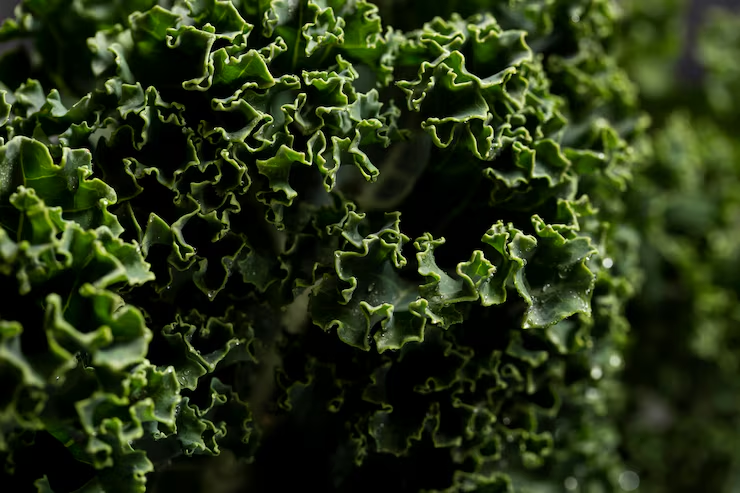
Kale is a nutrient-dense leafy green and one of the most effective vegetables for weight loss. One cup of raw kale contains about 33 calories and over 2 grams of fiber, which promotes fullness and reduces appetite. The high content of vitamins A, C, and K supports metabolism, immunity, and bone health, making it ideal for anyone aiming to lose weight naturally.
Kale also contains antioxidants like quercetin and kaempferol that reduce inflammation, support fat metabolism, and protect cells from oxidative stress. Its fiber and water content aid digestion and help maintain a healthy gut, which is closely linked to weight management. Including kale in your diet regularly can support sustainable fat loss while providing essential nutrients.
Kale can be eaten raw in salads, blended into smoothies, sautéed, or baked as chips. Its versatility allows you to include it in a variety of meals, making it easy to stay consistent with vegetables for weight loss. By consuming kale daily, you benefit from its nutrient-dense, low-calorie, and metabolism-supporting properties. 🌿
Cabbage 🥗
Cabbage is a cruciferous vegetable that is low in calories and high in fiber, making it an excellent choice for vegetables for weight loss. One cup of shredded cabbage contains only 22 calories and 2 grams of fiber, promoting satiety, healthy digestion, and appetite control. Its high water content helps keep you full without increasing calories.
Cabbage is rich in vitamin C, K, and antioxidants that reduce inflammation, boost immunity, and support fat metabolism. Fermented cabbage, like sauerkraut, provides probiotics that improve gut health, which is important for efficient digestion and weight management. Regular inclusion of cabbage in meals enhances overall nutrition while supporting fat-burning processes.
Cabbage can be eaten raw in salads, added to soups, stews, stir-fries, or fermented for a probiotic-rich snack. Its versatility and low-calorie profile make it a staple for vegetables for weight loss, ensuring nutrient-dense meals that support fat loss and overall health. 🥦
Asparagus 🌱
Asparagus is a low-calorie, nutrient-rich vegetable ideal for vegetables for weight loss. One cup of asparagus contains only 27 calories and 3 grams of fiber, which promotes fullness, regulates blood sugar, and supports digestion. Its low-calorie content makes it easy to include in a fat-loss-friendly diet without compromising flavor or nutrition.
Asparagus is rich in vitamins A, C, and K, along with antioxidants that reduce inflammation and support metabolism. It also acts as a natural diuretic, helping reduce water retention and bloating, which can complement weight loss efforts. Consuming asparagus regularly promotes fat-burning, metabolic health, and overall well-being.
Asparagus can be steamed, roasted, grilled, or added to soups and stir-fries. Its versatility allows you to enjoy low-calorie, nutrient-dense meals while keeping your diet interesting. Including asparagus as part of vegetables for weight loss ensures filling, healthy, and fat-burning-friendly meals every day. 🌿
Green Beans 🟢
Green beans are low-calorie, high-fiber vegetables for weight loss that help maintain fullness and support healthy digestion. One cup contains about 31 calories and 4 grams of fiber, which stabilizes blood sugar, reduces cravings, and promotes satiety. Fiber-rich green beans are ideal for controlling appetite while supporting fat loss naturally.
Green beans are packed with vitamins A, C, and K, along with minerals like iron and calcium, which help boost metabolism and support energy levels during weight loss. The antioxidants in green beans reduce inflammation and protect cells from oxidative stress, promoting overall health. Regular consumption contributes to a well-rounded, nutrient-dense, and weight-loss-friendly diet.
Green beans can be steamed, sautéed, roasted, or added to soups, casseroles, and stir-fries. Including green beans as part of vegetables for weight loss provides low-calorie, nutrient-rich meals that promote fat-burning, digestion, and overall health while keeping your diet satisfying and varied. 🥗
Conclusion
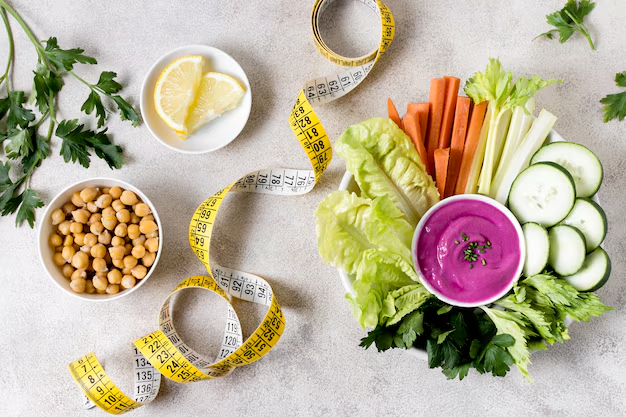
Incorporating vegetables for weight loss into your daily diet is one of the most effective, natural, and sustainable ways to achieve your weight loss goals. Vegetables are low in calories, high in fiber, and packed with essential vitamins, minerals, and antioxidants that support metabolism, reduce cravings, and enhance overall health. 🌿
By focusing on non-starchy vegetables like broccoli, spinach, kale, cauliflower, zucchini, bell peppers, carrots, cabbage, asparagus, and green beans, you can enjoy a variety of flavors and textures while promoting fat loss. Each vegetable brings unique benefits, from improving digestion and metabolism to boosting immunity and reducing inflammation. Incorporating these vegetables into salads, soups, stir-fries, smoothies, or roasted dishes ensures you stay full, satisfied, and nourished throughout the day. 🥗
Ultimately, vegetables for weight loss are more than just low-calorie foods—they are essential tools for long-term health and wellness. By making vegetables the center of your meals, you can create a balanced, enjoyable, and effective weight loss plan that supports your body and mind. Start including these vegetables today and experience the transformative benefits of a nutrient-rich, weight-loss-friendly diet! 🌱
FAQs
Q1. Which vegetables are best for weight loss?
The best vegetables for weight loss include broccoli, spinach, kale, cauliflower, zucchini, bell peppers, carrots, cabbage, asparagus, and green beans. These vegetables are low in calories, high in fiber, and packed with essential nutrients that promote satiety, support metabolism, and aid in sustainable fat loss naturally. 🌿
Q2. How many vegetables should I eat daily for weight loss?
For effective weight loss, aim to consume at least 4–5 servings of vegetables per day. Each serving can be 1 cup of raw vegetables or ½ cup cooked. Consuming a variety of vegetables ensures you get enough fiber, vitamins, and antioxidants while keeping calorie intake low. 🥗
Q3. Can vegetables alone help me lose weight?
While vegetables are essential for weight loss, relying solely on them is not sufficient. A balanced diet with lean proteins, healthy fats, and whole grains, along with vegetables for weight loss, ensures proper nutrition, metabolism support, and sustainable fat loss without nutrient deficiencies. 🌱
Q4. Are starchy vegetables good for weight loss?
Starchy vegetables like potatoes, corn, and peas are higher in calories and carbohydrates. They can be included in moderation but are less effective for weight loss compared to non-starchy vegetables like broccoli, spinach, and zucchini. Non-starchy vegetables help control calorie intake while providing fiber and nutrients. 🥦
Q5. How can I include more vegetables for weight loss in my diet?
To include more vegetables for weight loss, add them to salads, soups, smoothies, stir-fries, or roasted dishes. Experiment with different cooking methods, spices, and combinations to enhance flavor. Keep a colorful variety in every meal to maximize nutrient intake and promote satiety. 🌸