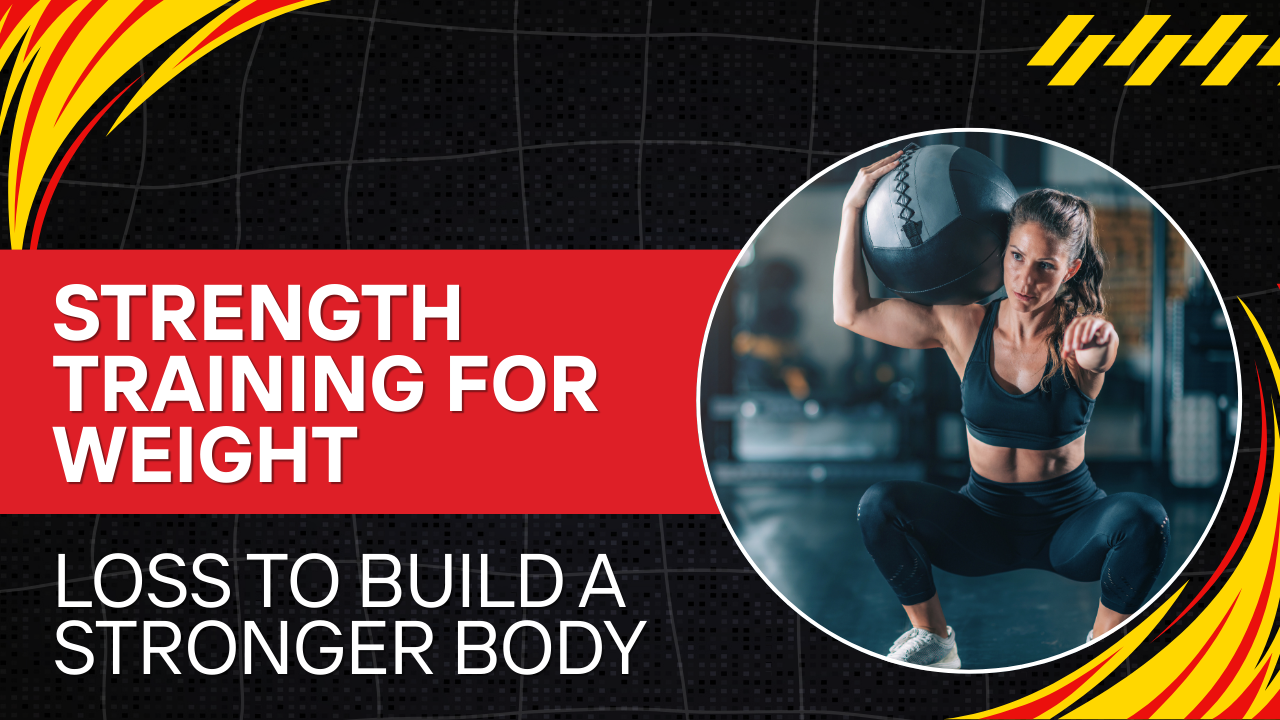
Strength training for weight loss is widely recognized as a powerful and sustainable way to improve body composition, enhance metabolic function, and support long-term physical fitness. Rather than relying on temporary dieting methods or excessive cardio routines, this approach emphasizes building muscular strength to encourage efficient calorie use. By activating major muscle groups through resistance-based exercises, the body adapts by burning energy more effectively while maintaining lean tissue, leading to healthier and more balanced fat reduction.
Health professionals and fitness specialists increasingly recommend this training style because it delivers lasting results. Many conventional fat loss methods focus heavily on calorie reduction, which can slow metabolism and reduce muscle mass over time. Strength training for weight loss helps counter these effects by encouraging muscle development, which naturally raises the body’s resting energy expenditure. As a result, individuals experience a more controlled and stable transformation that is easier to maintain over the long term.
Another major advantage of this method is its flexibility and accessibility. It can be adapted for people at different fitness levels and performed in various environments, including home or gym settings. Strength training for weight loss allows workouts to be tailored according to personal goals, physical capability, and lifestyle demands. When combined with proper nutrition and sufficient recovery, it supports not only physical improvements but also mental strength and long-term health benefits that go far beyond appearance.

What Is Strength Training for Weight Loss
Strength training for weight loss involves planned physical exercise that uses resistance to stimulate muscles while promoting fat reduction and preserving lean tissue. Resistance can come from various sources such as weights, machines, bands, or body-based movements. The primary objective of this training approach is to encourage muscle adaptation that boosts metabolic efficiency and increases overall energy expenditure throughout daily activity.
Unlike routines that rely solely on continuous endurance movements, this method emphasizes controlled muscle activation and strength development. When muscles experience progressive resistance, small muscle fibers break down and rebuild stronger during recovery. This repair process demands energy, leading to increased calorie usage even during rest. Over time, this adaptation helps the body utilize stored fat more effectively without the need for constant high-volume exercise.
Strength training for weight loss is centered on functional movement rather than extreme lifting or appearance-based goals. It prioritizes balance, coordination, and gradual progression that supports fat reduction while improving overall physical performance. When applied correctly, strength training for weight loss enhances joint stability, posture, hormonal balance, and insulin response. These internal improvements play a vital role in achieving sustainable fat loss and long-term health benefits.
Why Strength Training for Weight Loss Is Effective
Strength training for weight loss is effective because muscle tissue is metabolically active and demands more energy than fat tissue. As muscle mass increases, the body naturally burns more calories throughout the day, even when not physically active. This ongoing metabolic benefit continues during rest and sleep, making this approach more impactful than methods that only focus on calorie burn during exercise sessions.
Another reason this approach delivers strong results is its influence on hormonal balance. Resistance-based workouts support healthy regulation of hormones responsible for fat metabolism and muscle preservation. These hormonal adaptations encourage the body to break down stored fat while protecting lean tissue. Strength training for weight loss is particularly beneficial for individuals who experience weight regain after restrictive dieting due to its ability to support metabolic stability.
Consistency is another major advantage of this training style. As physical strength and capability improve, motivation and confidence tend to increase as well. Unlike repetitive routines, strength training for weight loss provides progression, variety, and measurable improvement. This sense of achievement supports long-term adherence, making it easier to maintain an active lifestyle and achieve sustainable results over time.
Powerful Proven Benefits for a Healthier Body and Mind
Improved Metabolic Activity

Strength training for weight loss helps the body become more efficient at using energy by increasing active tissue that requires constant fuel. Muscle tissue consumes more calories than fat, even during rest, which allows the body to maintain a higher energy demand throughout the day. This steady energy use supports fat reduction without the need for extreme physical effort.
As the body adapts, metabolic processes become more balanced and predictable. Energy is no longer conserved aggressively, which often happens during restrictive approaches. Instead, the body learns to function efficiently, using available fuel to support movement, recovery, and daily activity.
Over time, this improved metabolic response supports sustainable body composition changes. The body becomes less prone to storing excess energy and more capable of maintaining balance, which is essential for long-term health and stability.
Preservation of Lean Muscle
Strength training for weight loss plays a vital role in protecting lean tissue during periods of fat reduction. Without resistance-based movement, the body may break down muscle to meet energy demands. Training provides a signal that muscle is essential for function and survival.
Maintaining muscle helps preserve physical strength, posture, and stability. This protection ensures that weight reduction does not result in weakness or reduced mobility. The body remains capable and resilient throughout the process.
Preserved muscle also supports long-term maintenance. When lean tissue is protected, the body remains efficient, reducing the likelihood of rapid weight regain and supporting consistent physical performance.
Enhanced Fat Utilization

Efficient use of stored energy is essential for long-term physical balance and body composition improvement. Strength training for weight loss helps the body become more effective at accessing and using stored fat as a primary fuel source. Through repeated resistance-based movement, muscles adapt by improving how they process and convert fat into usable energy. This adaptation allows the body to rely less on immediate energy intake and more on existing reserves.
As fat utilization improves, energy levels tend to stabilize throughout the day. Reduced fluctuations in energy help limit sudden hunger and fatigue, making it easier to maintain healthy habits. Strength training for weight loss supports this balance by encouraging steady energy output rather than short bursts followed by exhaustion. This steady pattern contributes to improved endurance and overall physical efficiency.
Better fat utilization also enhances recovery and physical performance. When muscles are efficient at using stored fuel, they recover more effectively between activities and workouts. Strength training for weight loss supports this process by promoting metabolic adaptations that favor long-term energy availability. These changes help create a sustainable environment where fat reduction occurs naturally while supporting strength, recovery, and daily performance.
Hormonal Balance Support
Hormonal balance plays a critical role in how the body manages energy, appetite, and fat storage. Physical activity that involves resistance-based movement helps support internal systems responsible for regulating these processes. Strength training for weight loss contributes to a more balanced hormonal environment by encouraging the body to respond efficiently to physical stress rather than storing excess energy. This balance supports healthier metabolism and steadier energy levels throughout the day.
Stress hormones are another important factor in body composition and overall well-being. When stress remains elevated for long periods, it can negatively affect recovery, sleep, and eating patterns. Strength training for weight loss helps moderate the body’s stress response by improving resilience and recovery capacity. As the body adapts to training demands, it becomes better equipped to handle daily stressors without triggering unwanted physical or emotional reactions.
Improved hormonal regulation also supports better sleep quality and recovery, which are essential for long-term health. Adequate rest allows the body to repair tissue, regulate appetite signals, and maintain stable energy levels. Strength training for weight loss works in alignment with these natural processes, creating a supportive internal environment that encourages sustainable progress, emotional balance, and overall physical stability over time.
Functional Strength Development

Functional strength focuses on improving the body’s ability to perform everyday movements with efficiency, balance, and control. Activities such as lifting objects, climbing stairs, bending, and maintaining posture all rely on coordinated muscle action. Strength training for weight loss enhances these movement patterns by strengthening muscles in a way that supports real-life tasks rather than isolated motion. This results in better coordination, improved joint stability, and smoother movement during daily activities.
As functional strength improves, the body becomes more resilient and adaptable to physical demands. Stronger muscles help absorb stress placed on joints, reducing the risk of injury and discomfort. Strength training for weight loss supports this by encouraging balanced muscle development, which improves posture and alignment. These improvements make daily movement feel easier and less tiring, allowing individuals to stay active without unnecessary strain.
Functional strength also contributes to long-term independence and quality of life. When the body is capable and efficient, confidence in movement naturally increases. This often leads to greater overall activity throughout the day, supporting better physical health and well-being. By focusing on practical strength rather than appearance alone, this approach helps build a body that performs well, moves confidently, and remains capable across different stages of life.
Consistency and Adherence
Consistency is a key factor in achieving lasting health outcomes, and having a routine that feels manageable makes long-term commitment easier. Strength training for weight loss encourages regular participation because it delivers noticeable improvements in strength, posture, and daily performance. These visible changes help reinforce motivation, making individuals more likely to stay engaged with their routine rather than abandoning it after a short period.
Another reason adherence improves is the variety this approach offers. Workouts can be adjusted through different movements, resistance levels, and formats, which helps prevent boredom and mental fatigue. Strength training for weight loss allows progress to be tracked through performance improvements rather than relying solely on external measurements. This sense of progression creates a rewarding experience that keeps individuals mentally invested and focused on continued improvement.
Over time, training becomes part of a balanced lifestyle rather than a temporary effort. As the body adapts positively, exercise feels more natural and less like an obligation. Strength training for weight loss supports habit formation by fitting into different schedules and energy levels. This flexibility helps individuals maintain consistency through changing circumstances, making long-term adherence realistic and sustainable.
Mental and Emotional Benefits

Mental and emotional well-being plays a major role in long-term health, and physical activity can strongly influence both. Strength training for weight loss helps reduce stress by encouraging the release of chemicals in the brain that support positive mood and emotional balance. Regular resistance-based movement provides a constructive outlet for tension, allowing the mind to reset and recover from daily pressures. Over time, this can lead to improved emotional stability and a calmer response to stress.
Another important benefit is the boost in self-confidence that comes from feeling physically capable. As strength improves, individuals often experience a stronger sense of control and achievement. Strength training for weight loss shifts the focus away from appearance alone and toward personal progress and capability. This change in perspective supports a healthier relationship with exercise and body image, reducing feelings of frustration or self-doubt that can accompany restrictive approaches.
Consistent training also supports mental clarity and discipline. Structured movement encourages routine, goal setting, and patience, all of which carry over into other areas of life. Strength training for weight loss helps build resilience by reinforcing the idea that progress comes through steady effort rather than quick fixes. This mindset supports long-term emotional well-being and encourages balanced, sustainable lifestyle choices.
Adaptability Across Lifestyles
Adaptability is one of the most valuable qualities of a sustainable fitness approach, and this training style fits easily into a wide range of daily routines. Strength training for weight loss can be adjusted to suit different schedules, environments, and physical abilities. Whether someone prefers home-based workouts, gym sessions, or minimal-equipment routines, the structure can be modified without reducing effectiveness. This flexibility allows individuals to remain consistent even when work demands, travel, or personal responsibilities change.
Another advantage is how easily intensity and exercise selection can be personalized. Movements can be scaled based on experience level, mobility, and comfort, making this approach accessible to beginners and experienced individuals alike. Strength training for weight loss does not rely on rigid rules or fixed formats, which helps reduce pressure and burnout. Instead, it encourages gradual progression that aligns with individual capacity, supporting steady improvement without overwhelming the body.
This adaptability supports long-term commitment by removing common barriers to consistency. When training fits naturally into daily life, it becomes easier to maintain healthy habits over time. Strength training for weight loss allows people to prioritize health without sacrificing balance or flexibility, making it a practical and sustainable choice for individuals with diverse lifestyles and long-term wellness goals.
Conclusion

Strength training for weight loss offers a sustainable and science-backed approach to improving body composition while enhancing overall health. Instead of focusing solely on reducing calories or relying on temporary fitness trends, this method builds a strong foundation by improving muscle function, metabolic efficiency, and physical resilience. Through consistent resistance-based movement, the body adapts in a way that supports fat reduction without sacrificing strength or energy. This balanced approach makes long-term progress more achievable and helps individuals maintain results without extreme lifestyle changes.
Another important aspect of this approach is how it positively influences daily life beyond physical appearance. Regular training improves posture, mobility, and confidence, making everyday activities easier and more enjoyable. It also encourages healthier habits related to nutrition, sleep, and stress management. Strength training for weight loss supports mental clarity and emotional stability, which are often overlooked components of successful body transformation. When individuals feel stronger and more capable, they are more likely to stay consistent and committed to their goals.
In the long run, strength training for weight loss proves to be more than just a fitness routine. It becomes a lifestyle choice that supports aging, independence, and overall quality of life. By focusing on building strength, protecting muscle, and improving internal health, this approach delivers results that extend far beyond the scale. Strength training for weight loss empowers individuals to create a healthier relationship with their bodies while achieving lasting, meaningful change.
FAQ’s
Q1. Is strength training for weight loss suitable for beginners
Strength training for weight loss is highly suitable for beginners because it can be tailored to individual ability. Starting with simple movements allows the body to adapt safely. As confidence and strength improve, intensity can increase gradually. This controlled progression supports fat loss while reducing injury risk and building long-term consistency.
Q2. How often should strength training for weight loss be performed
Strength training for weight loss is most effective when practiced consistently with adequate recovery. Regular sessions allow muscles to adapt and grow stronger. Recovery time supports repair and prevents burnout. A balanced approach ensures sustainable fat loss and overall physical improvement.
Q3. Can strength training for weight loss replace cardio
Strength training for weight loss can complement or partially replace cardio depending on goals. Resistance exercise burns calories and improves metabolism while preserving muscle. Many individuals find strength training for weight loss more sustainable and effective when combined with moderate cardiovascular activity.
Q4. Does strength training for weight loss cause bulk
Strength training for weight loss does not cause excessive bulk. Muscle growth occurs gradually and supports a lean appearance. Fat reduction combined with muscle preservation creates a toned look. Nutrition and training style influence muscle development more than resistance training alone.
Q5. How long does it take to see results from strength training for weight loss
Results from strength training for weight loss vary based on consistency and lifestyle factors. Strength improvements often appear first, followed by physical changes. Over time, fat reduction and body composition improvements become noticeable and sustainable.