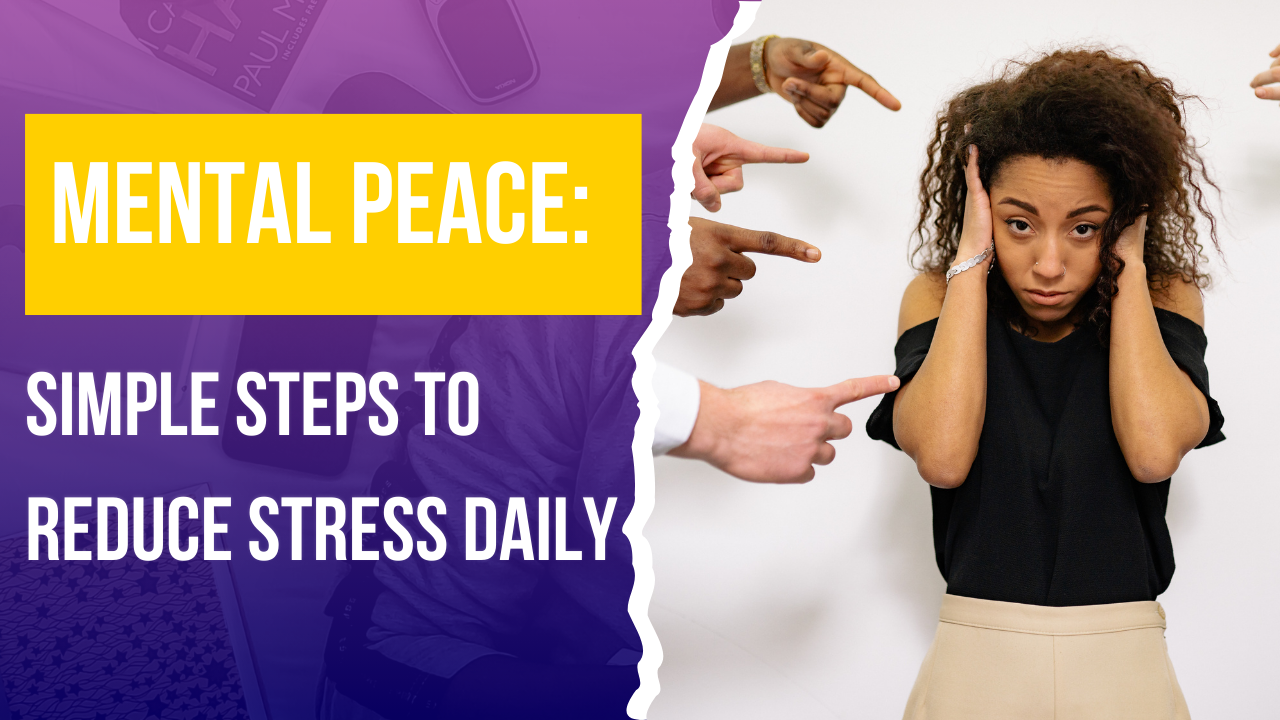
Mental peace is the state of inner calm where thoughts, emotions, and actions flow in harmony. In today’s fast-paced world of deadlines, noise, and endless notifications, many people feel anxious or overwhelmed. Achieving mental peace allows the mind to stay balanced despite external chaos. It creates a sense of stability that supports physical health, decision-making, and overall happiness.
Mental peace is not about avoiding problems; it’s about developing the strength to face them without losing inner clarity. People with mental peace experience lower stress, healthier relationships, and better sleep. They can focus on priorities and respond to challenges with wisdom instead of panic.
Developing mental peace requires conscious effort. Through daily habits, mindful practices, and lifestyle adjustments, anyone can nurture a calm state of mind. This article explores what mental peace is, why it matters, when to practice it, how it works, and eight actionable tips to help you build lasting inner serenity.
🌸 What is Mental Peace
Mental peace is a deep sense of inner tranquility that remains steady even during life’s uncertainties. It is more than a fleeting feeling; it is a state of mind where calmness and clarity prevail regardless of external chaos. By cultivating awareness and self-control, mental peace allows you to stay centered, making challenges feel manageable.
This balance comes from managing thoughts and emotions so that stress, fear, or anger do not dominate. Instead of reacting impulsively, mental peace encourages thoughtful responses and mindful decision-making. It creates a mental space where positivity can thrive, keeping anxiety and negativity at bay.
Unlike temporary happiness, mental peace provides consistent contentment and emotional stability. It is not dependent on material gains or external approval. Through practices like meditation, gratitude, and self-reflection, you can nurture this steady state of peace, experiencing a deeper connection to yourself and the present moment.
Practicing mental peace is not about ignoring reality. It means acknowledging challenges while keeping a calm mind. Whether you face work stress, family issues, or personal doubts, mental peace provides a stable foundation for positive action and long-term well-being.
🌟 Why Mental Peace is Important
Mental peace is essential for maintaining both emotional health and physical vitality. When the mind is calm, it creates a balanced internal environment where thoughts and emotions are easier to manage. This inner harmony allows you to stay focused, make better decisions, and enjoy a positive outlook on life, even during stressful times.
Chronic stress, on the other hand, triggers hormones like cortisol, which can lead to anxiety, insomnia, high blood pressure, and even heart problems. Without mental peace, the body remains in a constant state of tension, weakening the immune system and increasing the risk of long-term illnesses. Cultivating calmness helps counter these effects, protecting overall health.
Practices such as meditation, deep breathing, and gratitude are powerful tools for achieving mental peace. By reducing stress and promoting relaxation, these habits help the body function at its best, ensuring emotional stability and physical well-being every day.
In the bigger picture, mental peace enhances overall life satisfaction. It allows you to enjoy small moments—like a morning sunrise or a quiet cup of tea—without being distracted by worries. A peaceful mind becomes a powerful tool for creativity, productivity, and lasting happiness.
⏳ When to Practice Mental Peace
Mental peace can be practiced anytime and anywhere, making it a flexible habit for every lifestyle. Whether you are at home, at work, or outdoors, a few moments of calm breathing or mindfulness can bring immediate relaxation. The key is to be consistent and create opportunities to pause during your daily routine.
Early morning is considered the ideal time to nurture mental peace. At this hour, the mind is naturally quieter, and the world around you is less distracting. Starting the day with meditation, deep breathing, or gentle yoga sets a peaceful tone that carries through the rest of the day. This morning practice clears mental clutter and prepares you to handle challenges calmly.
However, mental peace is not limited to mornings alone. Taking short breaks during work, practicing mindful breathing before bedtime, or even pausing in traffic can help restore balance, ensuring ongoing emotional stability and inner calm.
Evening practice is also powerful. Spending a few minutes reflecting on the day, expressing gratitude, or practicing mindfulness releases accumulated stress and prepares the mind for restful sleep. Whether it’s sunrise or bedtime, mental peace thrives when you intentionally create small pockets of calm throughout the day.
💡 How Does Mental Peace Work
Mental peace works by creating a natural balance between the mind and body. When you practice techniques like meditation, deep breathing, or mindful thinking, the nervous system begins to shift from a state of tension to relaxation. This shift helps release mental clutter, allowing you to think clearly and feel emotionally stable.
One of the key effects of mental peace is the activation of the parasympathetic nervous system. This part of the body is responsible for rest and recovery. By calming the nervous system, mental peace lowers heart rate, reduces stress hormones like cortisol, and promotes a sense of inner calm. Regular practice makes it easier to handle daily challenges without feeling overwhelmed.
Additionally, mental peace improves overall health by reducing anxiety, enhancing focus, and supporting better sleep. Through consistent habits such as slow breathing and positive thinking, mental peace nurtures both emotional strength and physical well-being.
Through awareness and consistent habits, mental peace transforms how you interact with life. You become more resilient, less reactive, and better equipped to handle challenges without losing clarity or joy.
🌈 Top Tips for Mental Peace
Below are eight practical tips, each explained in 3 paragraphs (≈150 words) to guide you toward lasting mental peace.
1️⃣ Practice Daily Meditation 🧘♀️ 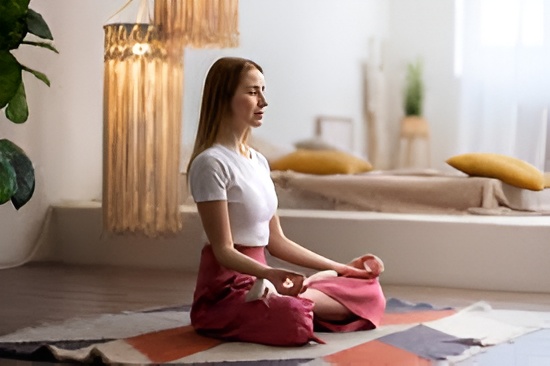
Paragraph 1:
Meditation is one of the most powerful practices to achieve mental peace. By focusing on your breath or a calming mantra, meditation slows down racing thoughts and quiets the mind. Just ten minutes of daily meditation can reduce cortisol, the stress hormone, while promoting emotional stability and inner clarity. This simple habit helps you release tension from daily challenges and enter a peaceful state of awareness, making it a cornerstone for mental well-being.
Paragraph 2:
Regular meditation deepens self-awareness, which is essential for lasting mental peace. Observing your thoughts without judgment teaches you to detach from negativity and avoid emotional triggers. Over time, meditation strengthens concentration, enhances emotional balance, and helps you stay fully present in each moment instead of dwelling on past regrets or future worries.
Paragraph 3:
To begin, choose a quiet space and sit comfortably with your eyes closed. Breathe deeply, focusing on each inhale and exhale or silently repeat a mantra. Start with five to ten minutes in the morning or evening, gradually increasing as it feels natural. Consistency matters more than duration, as daily practice trains your mind to return to calm even during chaotic situations.
Benefits 🌟
🕊️ Reduces anxiety and stress
💡 Improves focus and clarity
❤️ Enhances self-awareness
😴 Promotes restful sleep
Key Ingredients 🪷
🪑 Quiet, comfortable space
⏳ Timer or meditation app
🕯️ Optional: candles or soft music
2️⃣ Maintain a Gratitude Journal ✍️
Paragraph 1:
Maintaining a gratitude journal is a simple yet profound method for cultivating mental peace. Writing down things you are thankful for shifts your focus from what’s lacking to what’s abundant in life. This positive perspective naturally reduces stress and promotes a sense of inner calm.
Paragraph 2:
Research shows that practicing gratitude improves mood, strengthens relationships, and rewires the brain to recognize positivity. By noting blessings such as good health, supportive friends, or small daily joys, you build a mental habit of appreciation, creating an enduring foundation for mental peace.
Paragraph 3:
Set aside five minutes each evening to list at least three things you’re grateful for. Over time, this practice trains your brain to notice uplifting experiences automatically. Even on challenging days, focusing on small positives like a kind gesture or a beautiful sunset will help you maintain a peaceful state of mind.
Benefits 🌟
😊 Elevates happiness levels
🤝 Strengthens relationships
🧠 Rewires brain for positivity
💖 Reduces daily stress
Key Ingredients 🖋️
📔 Journal or notebook
🖊️ Pen or stylus
🕰️ 5–10 minutes of quiet reflection
3️⃣ Connect with Nature 🌳
Paragraph 1:
Spending time in nature refreshes the mind and restores mental peace. Natural settings—whether parks, beaches, or mountains—reduce anxiety, lower blood pressure, and promote relaxation by engaging the senses with soothing sights, sounds, and scents.
Paragraph 2:
Activities like walking, gardening, or simply observing the sky allow your nervous system to reset and encourage mindfulness. Nature’s quiet beauty draws attention away from digital distractions, easing the mental clutter that often disturbs mental peace.
Paragraph 3:
Aim for at least 20 minutes of outdoor activity each day. Even small moments—like feeling the breeze, listening to birdsong, or watching clouds—nurture inner calm and strengthen your connection to the present moment.
Benefits 🌟
🌿 Lowers blood pressure and stress hormones
🌞 Boosts vitamin D and immunity
🕊️ Improves mood and focus
💡 Enhances creativity
Key Ingredients 🌎
👟 Comfortable walking shoes
🧢 Weather-appropriate clothing
🕒 20+ minutes in a natural setting
4️⃣ Cultivate Mindful Breathing 🌬️
Paragraph 1:
Mindful breathing is an immediate way to achieve mental peace anywhere. By focusing on slow, deep breaths, you activate the relaxation response, lowering heart rate and calming the nervous system.
Paragraph 2:
One popular method is the 4-7-8 technique: inhale for four counts, hold for seven, and exhale for eight. This simple pattern reduces anxiety, promotes oxygen flow, and brings instant relief during stressful moments, supporting long-term mental peace.
Paragraph 3:
Practice mindful breathing while commuting, working, or before sleep. Even a few minutes of conscious breathing can center your thoughts and bring calm to an otherwise hectic day.
Benefits 🌟
🕊️ Immediate stress relief
😌 Improves emotional control
🧘 Supports restful sleep
💖 Reduces blood pressure
Key Ingredients 🌿
🪑 Comfortable chair or mat
⏳ Timer or breathing app
💧 Calm, quiet environment
5️⃣ Limit Digital Overload 📵
Paragraph 1:
Excessive screen time and constant notifications can overwhelm the mind, disturbing mental peace. Taking intentional breaks from technology allows your brain to recharge and regain clarity.
Paragraph 2:
Schedule screen-free hours each day to engage in activities like reading, exercising, or creative hobbies. By reducing digital noise, you create space for deeper focus and emotional relaxation, enhancing your sense of mental peace.
Paragraph 3:
Use tools like “Do Not Disturb” mode or app timers to set healthy boundaries. Gradually increasing these breaks will help you sleep better, think more clearly, and connect with the real world around you.
Benefits 🌟
📴 Improves sleep patterns
🧠 Enhances focus and productivity
😌 Reduces anxiety and stress
❤️ Strengthens offline relationships
Key Ingredients 💡
⏰ Daily screen-free schedule
📚 Offline activities (books, art, walks)
🕯️ Distraction-free environment
6️⃣ Maintain Healthy Relationships 💞
Paragraph 1:
Supportive relationships are vital for maintaining long-term mental peace. Positive social connections provide emotional security, reduce loneliness, and promote happiness.
Paragraph 2:
Open communication, empathy, and trust are the foundations of healthy relationships. Sharing feelings and listening actively helps resolve conflicts calmly, protecting your mental peace during stressful times.
Paragraph 3:
Surround yourself with people who uplift you and avoid toxic relationships that drain energy. Investing time in loving, supportive bonds strengthens resilience and builds a safe emotional environment.
Benefits 🌟
🤝 Provides emotional support
💡 Improves self-esteem
🕊️ Reduces stress and anxiety
❤️ Encourages long-term happiness
Key Ingredients 👫
📞 Regular communication
💌 Trust and empathy
🧠 Willingness to compromise
7️⃣ Balance Work and Rest 🕰️
Paragraph 1:
An unbalanced lifestyle with excessive work can drain energy and disturb mental peace. Balancing responsibilities with adequate rest is key to maintaining emotional well-being.
Paragraph 2:
Schedule regular breaks, set realistic goals, and avoid overcommitment. Learning to say no and prioritizing personal time prevents burnout and preserves mental peace.
Paragraph 3:
Use tools like planners or time-blocking to create a healthy routine. When you manage work effectively, you free up time for relaxation, creativity, and personal growth.
Benefits 🌟
⚖️ Prevents burnout
😌 Reduces stress levels
🧠 Boosts focus and creativity
❤️ Improves life satisfaction
Key Ingredients 🛋️
📅 Daily planner or scheduling app
🕒 Dedicated downtime
🧘 Relaxing activities (yoga, reading)
8️⃣ Nourish Your Body 🍎
Paragraph 1:
A healthy body lays the foundation for lasting mental peace. Nutritious food, proper hydration, and regular exercise stabilize mood and boost energy.
Paragraph 2:
Foods rich in omega-3 fatty acids, magnesium, and antioxidants reduce inflammation and improve brain function. Regular physical activity releases endorphins, the body’s natural mood elevators, supporting ongoing mental peace.
Paragraph 3:
Prioritize balanced meals, daily movement, and quality sleep. Caring for your body strengthens both mental and physical health, creating a cycle of well-being and inner calm.
Benefits 🌟
🕊️ Enhances mood stability
💪 Boosts energy and immunity
🧠 Supports brain health
😴 Improves sleep quality
Key Ingredients 🥗
🥦 Leafy greens and fresh fruits
🥜 Nuts, seeds, and omega-3 fish
💧 Adequate water intake
🏃♀️ Regular physical exercise
🌟 Benefits of Mental Peace
🌿 Reduces Stress – Lowers cortisol levels and calms the nervous system.
🧘 Improves Focus – Enhances concentration and decision-making.
❤️ Strengthens Relationships – Encourages empathy and patience.
😴 Promotes Better Sleep – Relaxes the mind for restful nights.
💪 Boosts Physical Health – Supports heart health and immune function.
🥗 Ingredients for Mental Peace (Symbolic & Practical)
🫀 Self-Awareness – Recognizing thoughts and emotions.
🌸 Mindfulness – Staying present in each moment.
🍵 Healthy Lifestyle – Nutritious food, exercise, and sleep.
🤝 Positive Relationships – Supportive social connections.
📿 Spiritual Practices – Meditation, prayer, or reflection.
💡 Balanced Routine – Work, rest, and personal time.
🌅 Conclusion
Mental peace is not a distant dream; it is a daily practice rooted in self-care and awareness. Achieving inner calm begins with small, consistent actions that train the mind to stay balanced even in stressful situations. Habits such as meditation, journaling, or spending quiet moments with yourself help you connect with your inner thoughts and emotions.
By nurturing practices like gratitude, mindful breathing, and meditation, you create a powerful foundation for mental peace. These habits reduce stress, clear negative thoughts, and promote a sense of contentment. Over time, your mind learns to respond with calmness rather than react with anxiety, even when faced with challenges.
Healthy relationships and self-awareness further strengthen mental peace. Surrounding yourself with positive energy and maintaining emotional boundaries protect your inner world. Through daily care, you can enjoy lasting mental peace that supports happiness, focus, and emotional resilience.
Start today with one simple practice. Over time, these efforts will transform your mind, body, and spirit, allowing mental peace to become your natural state and guiding you toward a life of harmony and fulfillment.
❓ FAQs
1. How long does it take to achieve mental peace?
Mental peace is a lifelong practice. Some feel calmer after a few weeks of meditation, while deeper changes develop over months of consistent effort.
2. Can mental peace improve physical health?
Yes. Reducing stress through mental peace lowers blood pressure, boosts immunity, and supports heart health.
3. Is mental peace possible during busy schedules?
Absolutely. Short practices like mindful breathing or gratitude journaling fit into even the busiest day.
4. Does diet affect mental peace?
A balanced diet rich in nutrients supports brain health, stabilizing mood and promoting mental peace.
5. Can technology support mental peace?
Yes, when used mindfully. Meditation apps or calming music can guide relaxation, but limit excessive screen time.