When it comes to weight loss, it’s all about choosing the right foods that not only satisfy your hunger but also provide essential nutrients while being low in calories. Kale is one of the best foods for this purpose. It’s low in calories but packed with essential vitamins, minerals, and antioxidants that support your weight loss goals. If you’re wondering how to eat kale for weight loss in a way that maximizes its potential, this article will provide you with detailed insights and strategies to incorporate this superfood into your diet effectively.
Kale is rich in fiber, which promotes satiety, keeping you full longer and reducing the chances of overeating. Not only is it low in calories, but it is also a powerhouse of nutrients like vitamin K, vitamin C, calcium, and iron, all of which contribute to a healthier, more effective weight loss journey. When you eat kale for weight loss, you are not just reducing calorie intake but also boosting your metabolism and improving digestion, two critical factors in shedding pounds.
This article will explain how to eat kale for weight loss in different ways, including meal ideas and preparation tips. By learning to enjoy kale in various forms—whether raw, cooked, or blended into smoothies—you will not only benefit from its weight loss properties but also improve your overall health.
What is Kale and Why is it Beneficial for Weight Loss?
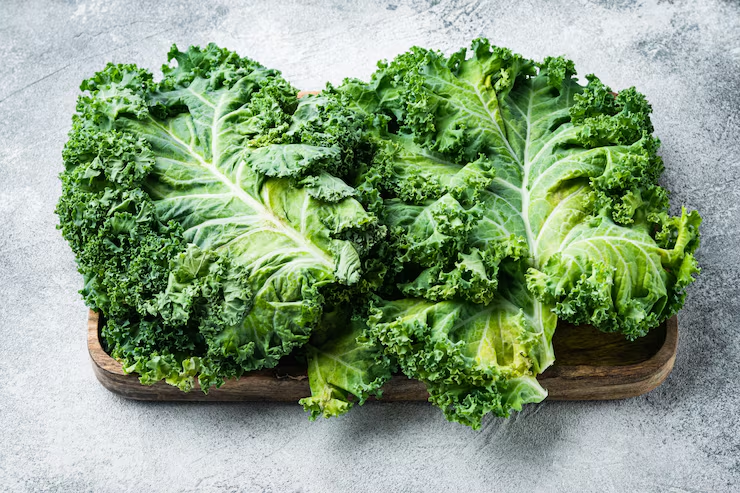
Kale is a dark, leafy green vegetable that belongs to the cruciferous vegetable family, which also includes broccoli, cabbage, and Brussels sprouts. When it comes to how to eat kale for weight loss, the vegetable’s high nutritional value is the main reason for its effectiveness in promoting weight loss. Kale is rich in essential vitamins such as vitamin K, vitamin C, and several B vitamins, which all support metabolic functions and help improve your energy levels, making weight loss easier and more sustainable.
Kale’s high fiber content makes it an excellent addition to any weight loss diet. How to eat kale for weight loss effectively starts with understanding the role fiber plays in keeping you full and satisfied. Fiber not only helps with digestion but also helps keep you full for longer periods, which can significantly reduce your overall calorie consumption. This feeling of fullness prevents overeating and snacking between meals, two common causes of weight gain. By learning how to eat kale for weight loss, you can take advantage of its ability to curb hunger and support your weight loss efforts without feeling deprived.
In addition to fiber, kale is an excellent source of antioxidants, including flavonoids and carotenoids, which help reduce oxidative stress and inflammation in the body. Inflammation is a major contributor to fat storage, particularly around the abdominal area. By learning how to eat kale for weight loss, you can reduce inflammation and promote fat loss at the same time.
Why Kale Helps in Weight Loss
There are several reasons why kale is a go-to food for weight loss, especially when you learn how to eat kale for weight loss effectively. The first reason is its ability to keep you full. The fiber in kale slows down digestion, which helps you feel satisfied for longer periods. This leads to reduced calorie intake, making it easier to maintain a calorie deficit—an essential factor in weight loss. By learning how to eat kale for weight loss, you can manage your appetite and stick to a healthy eating plan that supports your weight loss goals.
Another reason kale helps with weight loss is its low-calorie content. Kale is incredibly nutrient-dense, meaning it provides a wealth of essential vitamins, minerals, and antioxidants without packing in too many calories. A cup of kale contains only around 30 calories, making it an ideal choice for anyone wondering how to eat kale for weight loss without sacrificing essential nutrients. It’s a great way to enjoy a filling, healthy meal that contributes to weight management without adding excessive calories.
Kale also plays a significant role in reducing inflammation, which is key for weight loss. Chronic inflammation can impair metabolism, slow down fat-burning processes, and make it more difficult to lose weight. By learning how to eat kale for weight loss, you’re taking proactive steps to counteract inflammation in your body, promoting a healthy metabolism that supports effective fat loss.
Effective Ways for a Healthier You
Kale’s Low-Calorie Nature
Nutritional Benefits:
Kale is a low-calorie food that plays a significant role in weight loss. One cup of raw kale contains only about 30 calories, making it an ideal food for anyone looking to manage their calorie intake while still feeling full. The high volume of fiber in kale contributes to its low-calorie nature, allowing you to eat more without worrying about excess calorie consumption. This makes kale a perfect addition to any weight loss diet plan. How to eat kale for weight loss involves making it a regular part of your meals, ensuring you’re consuming a food that is nutrient-dense yet calorie-light.
How to Make It:
Incorporating kale into your meals is easy. Add it to smoothies, toss it in salads, or sauté it with other vegetables. To maintain its low-calorie benefits, avoid using excessive oils or high-calorie dressings. A simple kale salad with a lemon vinaigrette can be an excellent weight-loss-friendly meal. Additionally, adding kale to soups and stews enhances flavor without adding many calories. How to eat kale for weight loss effectively requires balancing kale’s calorie content with other nutrient-dense, low-calorie foods.
Kale’s ability to fill you up without contributing to calorie overload makes it a great choice for anyone looking to lose weight. By swapping higher-calorie foods with kale, you can create filling, nutritious meals that support your weight loss goals. The key to how to eat kale for weight loss is making it your go-to food for satiety and nourishment without piling on extra calories.
High Fiber Content
Nutritional Benefits:
Fiber is one of the most important components of kale when it comes to weight loss. A cup of kale provides around 2.5 grams of fiber, which plays a critical role in digestion and hunger regulation. Fiber slows the digestion process, helping you feel fuller for longer periods. This makes kale an excellent food to include in your diet when you’re wondering how to eat kale for weight loss. The fiber in kale also promotes healthy digestion, reducing bloating and preventing constipation, which are common problems when trying to lose weight.
How to Make It:
The best way to incorporate fiber-packed kale into your diet is by adding it to smoothies or salads. If you prefer cooked kale, sautéing it with a bit of olive oil and garlic can make it a delicious, fiber-rich side dish. For those looking to maximize fiber intake, blending kale into a green smoothie is an easy way to get the fiber you need without feeling too full. How to eat kale for weight loss becomes much easier when you can seamlessly integrate it into your favorite meals while boosting your fiber intake.
By consuming kale regularly, you can regulate your appetite, prevent overeating, and enhance the weight loss process. How to eat kale for weight loss is more than just a dieting trick; it’s a strategy to incorporate fiber into your diet in a way that supports digestion and metabolism.
Packed with Antioxidants

Nutritional Benefits:
Kale is rich in antioxidants like vitamin C, beta-carotene, and flavonoids. These powerful compounds protect your cells from oxidative stress and inflammation. Oxidative stress is a key factor in aging and chronic diseases, and it can hinder your weight loss efforts by slowing down metabolism. How to eat kale for weight loss involves not only burning fat but also fighting the harmful effects of oxidative stress. The antioxidants in kale help neutralize free radicals in the body, reducing inflammation and improving overall metabolic health, making it easier to lose weight.
How to Make It:
To get the most antioxidants from kale, include it in raw or lightly cooked dishes. Adding kale to your morning smoothie or a fresh salad can provide a potent antioxidant boost to start your day. Kale can also be roasted in the oven with a small amount of olive oil to preserve its antioxidant properties. How to eat kale for weight loss is not just about incorporating it into meals, but also about maximizing the nutrients it provides for overall health and weight management.
Regularly eating kale for weight loss can also boost your immunity and protect your body from the damage caused by free radicals. How to eat kale for weight loss isn’t just about shedding pounds—it’s also about strengthening your body’s defenses. Kale is rich in antioxidants like vitamin C and beta-carotene, which help fight oxidative stress and reduce inflammation, two factors that can hinder your weight loss progress.
Rich in Essential Vitamins
Nutritional Benefits:
Kale is packed with essential vitamins that play a key role in overall health and weight loss. A single serving of kale provides more than 100% of your daily value of vitamin K, a vitamin that supports bone health and helps the body with blood clotting. Kale is also rich in vitamin C, which supports the immune system and aids in collagen production, promoting healthy skin. Vitamin A in kale is essential for vision and skin health. By eating kale for weight loss, you’re getting a nutrient-packed vegetable that does more than just help you shed pounds.
How to Make It:
You can add kale to your daily diet by tossing it into a smoothie, or blending it into a juice with other vegetables like cucumber and celery. Kale also works well in salads, providing a crunchy texture and a wealth of vitamins that support your body. Whether you’re eating kale for weight loss or overall health, getting these essential vitamins from a natural source ensures you’re nourishing your body while promoting fat burning.
Including kale in your daily meals helps your body function at its best, giving you the strength to stay active and continue working toward your weight loss goals. How to eat kale for weight loss requires not only focusing on calories but also considering the broader nutritional benefits it brings to your diet.
Supports Detoxification
Nutritional Benefits:
Kale contains glucosinolates, sulfur-containing compounds that promote detoxification by supporting the liver in flushing out harmful toxins from the body. Regular detoxification is essential for weight loss because it helps the body remove waste products that could otherwise slow down metabolism and contribute to fat storage. By including kale in your diet, you’re actively supporting your body’s natural detox processes, making it easier to lose weight effectively. How to eat kale for weight loss includes incorporating this detoxifying food into your meals, aiding in cleansing your system while also promoting fat burning.
How to Make It:
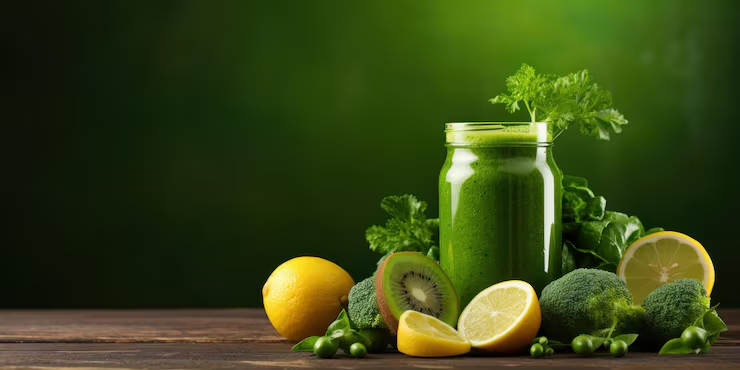
To benefit from kale’s detox properties, consider juicing or blending it with other detoxifying ingredients like ginger, lemon, and cucumber. Kale-based detox soups or salads can also provide a refreshing way to cleanse the body. How to eat kale for weight loss also involves focusing on the importance of detoxification in the fat-burning process, which kale supports in an all-natural, healthy way.
Regular detoxification with kale helps support the liver, which plays a crucial role in breaking down fats and toxins. How to eat kale for weight loss includes taking advantage of kale’s detoxifying properties. The glucosinolates in kale support liver function, promoting the efficient elimination of toxins that can hinder fat loss and slow down metabolism.
Enhances Metabolic Rate
Nutritional Benefits:
Kale contains a wealth of nutrients that support metabolism. Its high levels of iron, magnesium, and vitamins promote optimal metabolic function, helping your body burn calories more efficiently. Kale is especially beneficial for those trying to lose weight because it helps increase the metabolic rate, which makes it easier to burn fat. The compounds found in kale can help regulate insulin levels, improving blood sugar control and preventing fat accumulation. Knowing how to eat kale for weight loss involves leveraging its metabolism-boosting properties to help you lose weight naturally.
How to Make It:
To increase your metabolic rate with kale, try adding it to your breakfast smoothies or omelets. Kale-based green juices, especially those combined with ingredients like lemon and apple cider vinegar, can also support metabolism. How to eat kale for weight loss effectively means choosing the right preparation methods that optimize kale’s natural fat-burning abilities.
A healthy metabolism is essential for weight loss. By regularly eating kale, you’re ensuring your body is working at its best to burn fat and manage weight efficiently.
Supports Healthy Digestion
Nutritional Benefits:
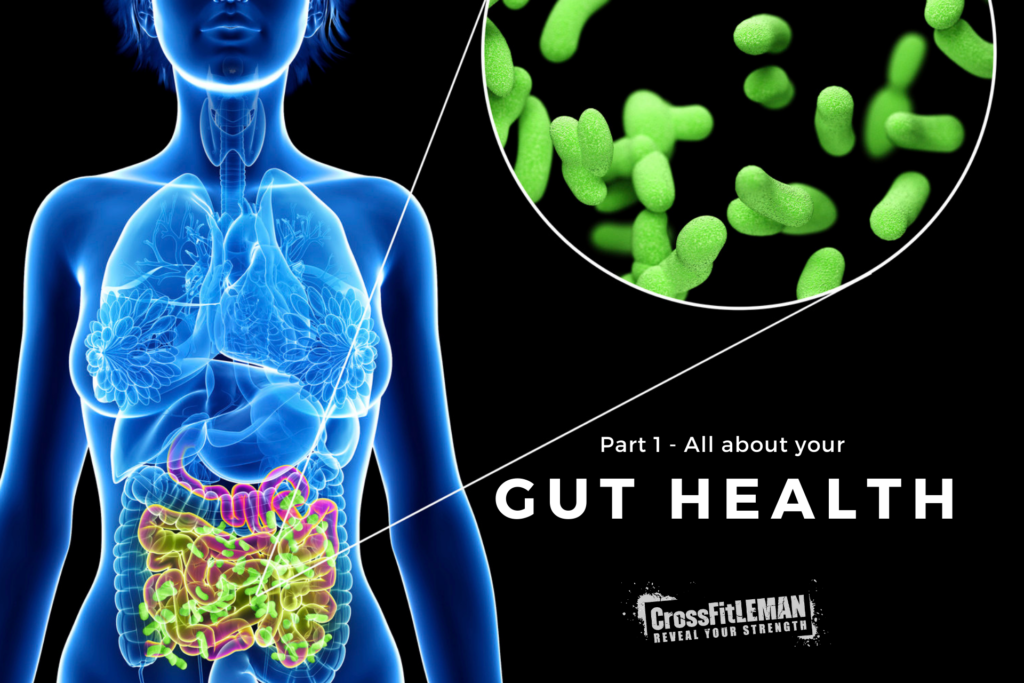
Kale is an excellent source of dietary fiber, which is essential for healthy digestion. Fiber promotes regular bowel movements, preventing constipation and bloating—two common issues that can hinder weight loss. Additionally, fiber helps keep your digestive system functioning smoothly, ensuring your body absorbs nutrients effectively while eliminating waste. If you’re wondering how to eat kale for weight loss, consider its digestive benefits as one of its major advantages. A healthy digestive system is crucial for weight loss, as it helps maintain proper metabolism and nutrient absorption.
How to Make It:
Incorporate kale into your meals by blending it into smoothies, tossing it in salads, or adding it to soups. If you struggle with digestive issues, try juicing kale with other gut-friendly ingredients like ginger or turmeric. How to eat kale for weight loss involves leveraging kale’s digestive properties to ensure your gut health remains optimal, aiding in your weight loss efforts.
Consuming kale regularly can help alleviate bloating, support healthy digestion, and maintain an effective metabolism, all of which are essential for long-term weight loss success. How to eat kale for weight loss involves not only benefiting from its low-calorie content but also taking advantage of its digestive and metabolic support.
Helps Maintain Skin Health
Nutritional Benefits:
Kale is packed with vitamin A and C, both of which are essential for healthy, glowing skin. These vitamins support collagen production, which is crucial for maintaining skin elasticity and preventing wrinkles. Kale’s antioxidant properties also protect the skin from environmental stressors, such as UV rays and pollution. By learning how to eat kale for weight loss, you’re not only benefiting from its weight loss properties but also promoting skin health, making kale a truly versatile food in any diet.
How to Make It:
You can make a skin-boosting kale salad by mixing kale with other vitamin-rich ingredients like berries, tomatoes, and avocado. For those on-the-go, blending kale into a morning smoothie can provide a skin-nourishing boost that supports healthy aging while helping with weight loss. How to eat kale for weight loss is more than just fat-burning—it’s also about maintaining youthful, radiant skin.
Kale supports your body from the inside out, helping you achieve both your weight loss and skin health goals.
Conclusion

Incorporating kale into your diet is an easy and effective way to support weight loss. With its high fiber content, low-calorie count, and rich nutrient profile, kale is one of the best vegetables for weight management. By learning how to eat kale for weight loss, you can enhance your diet without sacrificing flavor or nutrients. Kale is packed with fiber, which helps regulate your appetite, prevent overeating, and keep you feeling full longer. These attributes make kale an ideal choice when you’re looking to lose weight without feeling deprived.
Not only does kale help with appetite control, but it also boosts metabolism due to its rich content of essential vitamins like vitamin C and calcium. How to eat kale for weight loss involves taking full advantage of kale’s ability to accelerate fat-burning. By regularly eating kale for weight loss, you’re giving your body the nutrients it needs to burn fat more efficiently. Kale is packed with vital vitamins and minerals that promote a healthy metabolism, ensuring that your body is burning calories rather than storing them.
In addition to its weight loss benefits, kale contains powerful antioxidants that help protect your body from oxidative stress and inflammation. This makes it a great option for improving overall health, supporting a healthy immune system, and promoting skin vitality. By focusing on how to eat kale for weight loss regularly, you’re not just targeting your weight but also improving your long-term health. So, start adding kale to your meals today and enjoy its benefits for both weight loss and overall well-being.
FAQ’s
Q1. How can I incorporate kale into my diet for weight loss?
To eat kale for weight loss, you can add it to salads, smoothies, soups, or stir-fries. Kale is versatile and can be consumed in many ways to help you stay full, control hunger, and increase your nutrient intake without adding excess calories.
Q2. Is it better to eat kale raw or cooked for weight loss?
Both raw and cooked kale can be beneficial for weight loss. Raw kale provides a crunchy texture, while cooked kale may be easier to digest. Choose whichever form fits your preference, but both offer significant nutritional benefits.
Q3. Can kale help with bloating and digestion?
Yes, kale is high in fiber, which promotes healthy digestion and alleviates bloating. Including kale in your meals can help regulate your digestive system, reduce gas, and prevent bloating, all of which contribute to a more comfortable and effective weight loss journey.
Q4. How much kale should I eat for weight loss?
It’s recommended to consume at least one cup of kale per day for weight loss. You can incorporate it into various meals, such as salads, smoothies, or soups, to ensure you’re reaping its full nutritional benefits.
Q5. Are there any side effects of eating too much kale?
While kale is generally safe for most people, consuming excessive amounts can interfere with iodine absorption, which can affect thyroid function. It’s best to consume kale in moderation as part of a balanced diet.