A high protein diet for weight loss is a proven nutritional approach that focuses on increasing protein intake while maintaining balanced carbohydrates and healthy fats. Protein plays a key role in fat loss because it keeps you full for longer, reduces unhealthy cravings, and prevents overeating. In today’s lifestyle, where stress and inactivity contribute to weight gain, following a protein-rich diet helps the body burn more calories through improved metabolism and supports lean muscle mass. Unlike restrictive diets, this method provides sustained energy and long-term results without nutritional deficiencies.
The science behind a high protein diet for weight loss lies in its thermogenic effect—your body burns more calories digesting protein compared to fats or carbohydrates. Protein also stabilizes blood sugar levels, reducing sudden hunger spikes and emotional eating. Quality protein sources include lean meats, eggs, fish, dairy products, legumes, nuts, seeds, and plant-based options like tofu and lentils. When paired with regular physical activity, adequate hydration, and portion control, this diet improves overall body composition and enhances fat loss efficiently.
To apply a high protein diet for weight loss effectively, focus on spreading protein intake evenly across meals, choosing whole and minimally processed foods, and combining protein with fiber-rich vegetables. Simple habits like starting the day with a protein-rich breakfast, replacing refined snacks with nuts or yogurt, and including protein in every meal can make a significant difference. This sustainable approach supports healthy weight loss, muscle strength, and long-term wellness while fitting seamlessly into modern lifestyles.
What Is a High Protein Diet?
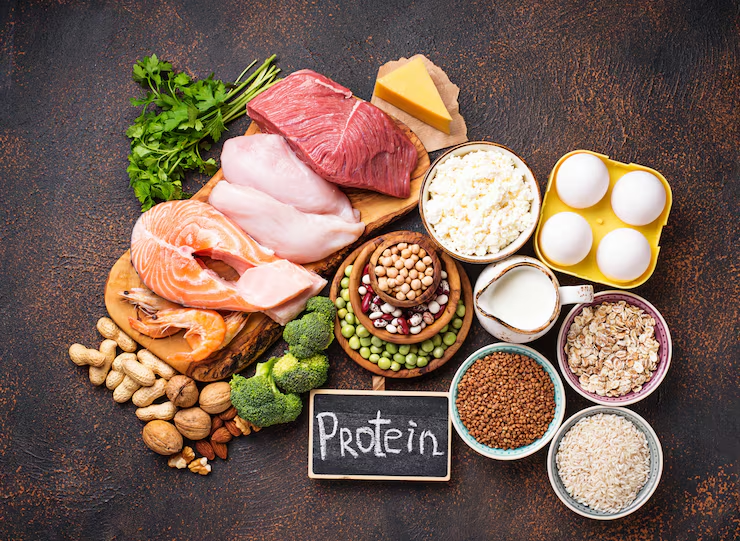
A high protein diet for weight loss is a nutritional plan that emphasizes consuming more protein than the standard daily recommendation while maintaining balanced amounts of carbohydrates and healthy fats. Protein is an essential macronutrient responsible for building muscles, repairing tissues, and supporting immune function. In a high protein diet, protein typically makes up a larger portion of total daily calories, helping the body feel fuller for longer periods and reducing overall calorie intake naturally. This makes it an effective and sustainable approach for managing body weight.
The main reason a high protein diet for weight loss works so well is its impact on metabolism and appetite control. Protein has a high thermic effect, meaning the body burns more calories digesting it compared to fats or carbohydrates. It also regulates hunger hormones such as ghrelin, helping to control cravings and emotional eating. Common protein sources include eggs, lean meats, poultry, fish, milk, yogurt, cheese, lentils, beans, nuts, seeds, and plant-based options like tofu and quinoa.
Following a high protein diet for weight loss does not mean eliminating other nutrients. Instead, it focuses on smarter food choices and balanced meals. Protein is combined with fiber-rich vegetables, whole grains, and healthy fats to support digestion and long-term health. This dietary approach is suitable for people looking to lose fat, preserve muscle mass, and improve overall body composition without extreme restrictions or nutrient deficiencies.
Why Is a High Protein Diet Effective for Weight Loss?
A high protein diet for weight loss is highly effective because protein directly influences appetite control and calorie intake. Protein increases feelings of fullness by regulating hunger hormones, which helps reduce frequent snacking and overeating. When you feel satisfied for longer periods, it becomes easier to maintain a calorie deficit without feeling deprived. This natural appetite control makes a high protein diet more sustainable than restrictive eating plans.
Another reason a high protein diet for weight loss works is its ability to boost metabolism. Protein has a higher thermic effect than carbohydrates and fats, meaning the body burns more calories during digestion and absorption. Additionally, protein helps preserve lean muscle mass during weight loss. Since muscle tissue burns more calories than fat, maintaining muscle supports a higher resting metabolic rate, leading to more efficient fat loss over time.
A high protein diet for weight loss also supports stable blood sugar levels, which reduces cravings and energy crashes. By minimizing spikes in insulin, protein-rich meals help prevent fat storage and promote consistent energy throughout the day. When combined with balanced nutrition and regular physical activity, this approach improves body composition, enhances fat burning, and supports long-term weight management in a healthy and effective way.
Top 8 Tips for High Protein Diet for Weight Loss
Start Your Day with High Protein Breakfast
Starting your day with a high protein diet for weight loss begins with choosing a protein-rich breakfast. After an overnight fast, your body needs quality nutrients to kick-start metabolism and control hunger for the rest of the day. A high-protein breakfast helps you feel full longer, reducing mid-morning cravings and preventing overeating later. Unlike sugary or refined breakfasts, protein stabilizes blood sugar levels and provides steady energy.
A high protein diet for weight loss works best when protein is evenly distributed throughout the day, and breakfast sets the foundation. Consuming protein in the morning boosts calorie burning through the thermic effect of food and supports muscle maintenance. Ideal high-protein breakfast options include eggs, Greek yogurt, cottage cheese, protein smoothies, oats with nuts or seeds, tofu scrambles, and paneer. These foods provide essential amino acids while keeping calorie intake under control.
Including a protein-rich breakfast in your high protein diet for weight loss also improves focus, productivity, and mood. When hunger is managed early, you are less likely to reach for unhealthy snacks or processed foods. Pair protein with fiber-rich fruits or vegetables and healthy fats for balanced nutrition. This simple habit not only accelerates fat loss but also supports long-term weight management and overall wellness.
Benefits:
Reduces hunger throughout the day
Prevents overeating
Improves energy and focus
Ingredients:
Eggs
Greek yogurt
Protein smoothie
Oats with nuts
Include Protein in Every Meal
Including protein in every meal is a key principle of a high protein diet for weight loss. Regular protein intake throughout the day helps maintain consistent energy levels and prevents sudden hunger spikes. When protein is missing from meals, blood sugar can fluctuate, leading to cravings and overeating. By adding protein to each meal, you naturally feel fuller for longer and consume fewer empty calories.
A high protein diet for weight loss is most effective when protein is evenly distributed rather than consumed in one large portion. This approach supports muscle maintenance, improves metabolism, and enhances fat burning. Simple ways to include protein in every meal include adding eggs or yogurt to breakfast, lean meats or legumes to lunch, and fish, tofu, paneer, or beans to dinner. Even snacks can be protein-rich, such as nuts, seeds, boiled eggs, or cottage cheese.
Following a high protein diet for weight loss by prioritizing protein at every meal also supports long-term weight management. It reduces mindless snacking, supports better portion control, and improves overall body composition. When combined with fiber-rich vegetables and healthy fats, protein creates balanced meals that are satisfying and nutritious. This habit is easy to follow, sustainable, and highly effective for achieving healthy and lasting weight loss.
Benefits:
Stabilizes blood sugar
Improves satiety
Enhances fat loss
Ingredients:
Chicken breast
Paneer
Lentils
Fish
Choose Lean Protein Sources
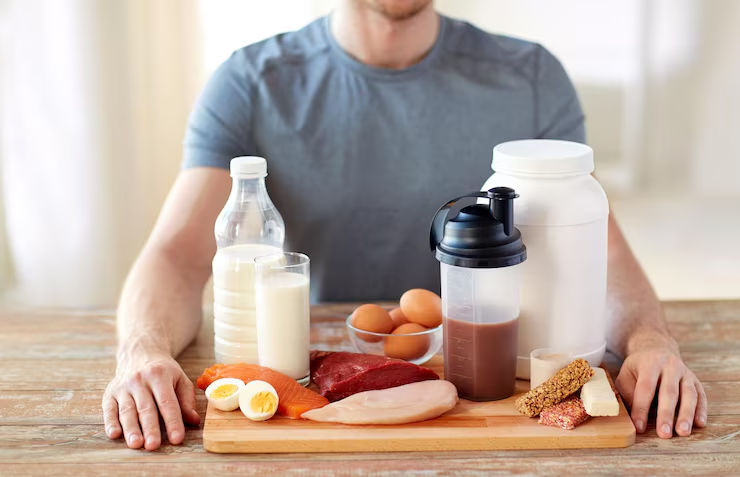
Choosing lean protein sources is an essential part of a high protein diet for weight loss. Lean proteins provide high-quality protein with fewer calories and less saturated fat, making them ideal for fat loss. These foods help you meet your daily protein needs without adding excess calories that can slow down weight loss. Lean protein also supports muscle preservation while encouraging the body to burn stored fat.
A high protein diet for weight loss benefits most from protein sources such as skinless chicken breast, turkey, fish, egg whites, low-fat dairy, Greek yogurt, tofu, paneer made from low-fat milk, lentils, and beans. These options are nutrient-dense and keep you full for longer periods. Plant-based lean proteins also provide fiber, which further improves digestion and appetite control while supporting overall health.
By focusing on lean protein in a high protein diet for weight loss, you can create balanced meals that promote steady fat loss without feeling heavy or sluggish. Pair lean proteins with vegetables, whole grains, and healthy fats to enhance nutrient absorption and satisfaction. This smart protein choice not only improves body composition but also supports heart health, energy levels, and long-term weight management.
Benefits:
Lower fat intake
Better calorie control
Improved heart health
Ingredients:
Egg whites
Turkey
Low-fat dairy
Tofu
Replace Refined Carbs with Protein
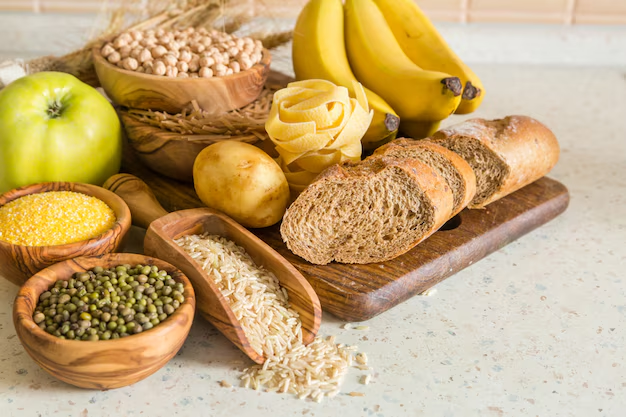
Replacing refined carbohydrates with protein is a powerful strategy in a high protein diet for weight loss. Refined carbs such as white bread, pastries, sugary cereals, and processed snacks digest quickly and cause blood sugar spikes, leading to hunger and fat storage. Swapping these foods for protein-rich options helps control appetite, reduce cravings, and maintain steady energy levels throughout the day.
A high protein diet for weight loss works by improving insulin sensitivity and encouraging the body to burn fat instead of storing it. Protein slows digestion, keeping you full longer and preventing unnecessary snacking. Simple substitutions include replacing white toast with eggs or Greek yogurt, choosing grilled chicken or tofu instead of refined pasta, and snacking on nuts, seeds, or boiled eggs rather than biscuits or chips.
Following a high protein diet for weight loss by reducing refined carbs also supports better nutrient intake and overall health. Protein-rich foods provide essential amino acids that support muscle maintenance and metabolism. When paired with fiber-rich vegetables and whole foods, this approach improves digestion, promotes sustainable fat loss, and helps you achieve long-term weight management without extreme dietary restrictions.
Benefits:
Reduces belly fat
Controls insulin levels
Enhances weight loss
Ingredients:
Quinoa
Beans
Protein bread
Chickpeas
Add Protein-Rich Snacks
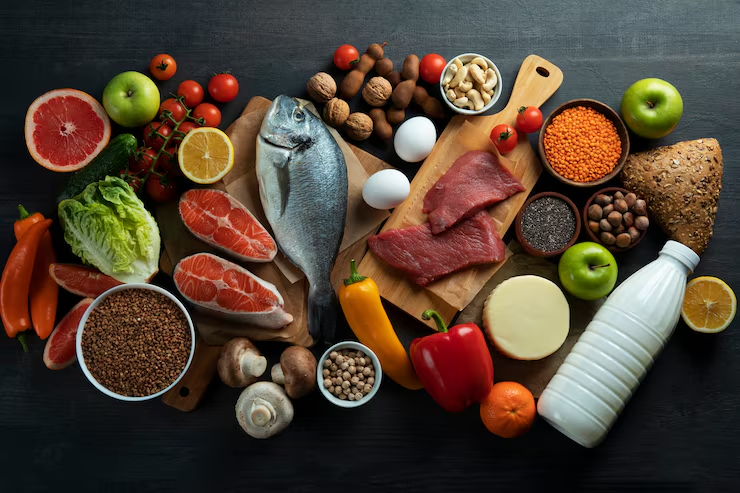
Adding protein-rich snacks is an effective way to support a high protein diet for weight loss. Healthy snacking helps prevent extreme hunger between meals, which often leads to overeating or poor food choices. Protein-rich snacks keep you satisfied for longer periods, stabilize blood sugar levels, and provide steady energy throughout the day.
A high protein diet for weight loss benefits from smart snack options such as boiled eggs, Greek yogurt, cottage cheese, roasted chickpeas, nuts, seeds, protein smoothies, or hummus with vegetables. These snacks are nutrient-dense and help control cravings for sugary or processed foods. Unlike refined snacks, protein-based options support muscle health and improve overall calorie control.
Including protein-rich snacks in a high protein diet for weight loss also makes the diet easier to maintain long term. When hunger is managed, consistency becomes effortless. Pairing protein with fiber or healthy fats enhances fullness and digestion. This simple habit supports fat loss, improves metabolism, and encourages balanced eating without feelings of deprivation
Benefits:
Prevents junk food cravings
Keeps metabolism active
Improves muscle recovery
Ingredients:
Nuts
Boiled eggs
Roasted chana
Protein bars
Stay Hydrated with High Protein Intake
Staying hydrated is especially important when following a high protein diet for weight loss. Protein metabolism requires more water, and inadequate hydration can lead to fatigue, poor digestion, and slower fat loss. Drinking enough water helps the body efficiently process protein, flush out toxins, and support overall metabolic function.
A high protein diet for weight loss works best when water intake is consistent throughout the day. Proper hydration helps prevent common issues such as constipation and bloating that may occur with increased protein consumption. Water also supports appetite control, as thirst is often mistaken for hunger. Herbal teas, infused water, and water-rich foods can also contribute to daily fluid needs.
Maintaining good hydration alongside a high protein diet for weight loss improves energy levels, workout performance, and recovery. It helps nutrients reach muscles efficiently and supports fat-burning processes. A simple habit of drinking water before meals and spacing intake evenly throughout the day can significantly enhance the benefits of a protein-rich diet while supporting long-term health and sustainable weight loss.
Benefits:
Supports digestion
Prevents dehydration
Improves kidney function
Ingredients:
Water
Coconut water
Herbal teas
Combine Protein with Strength Training
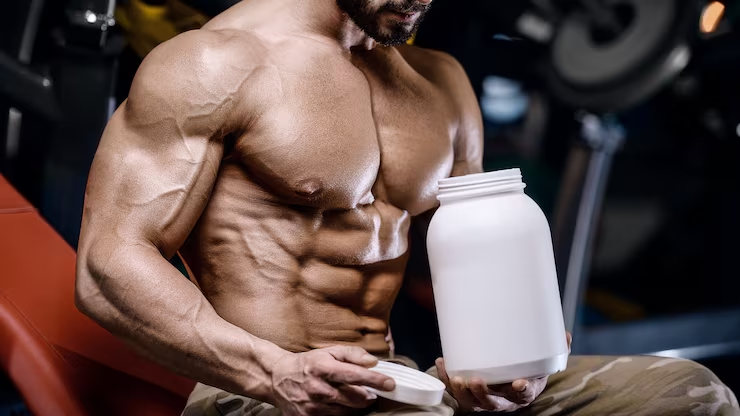
Combining protein intake with strength training is a powerful strategy for maximizing the results of a high protein diet for weight loss. Strength training creates small muscle breakdowns, and protein provides the essential amino acids needed for muscle repair and growth. This process helps preserve lean muscle mass while losing fat, which is crucial for achieving a toned and healthy body.
A high protein diet for weight loss becomes more effective when paired with resistance exercises such as weightlifting, bodyweight workouts, or resistance bands. Increased muscle mass raises your resting metabolic rate, meaning your body burns more calories even at rest. Consuming adequate protein before and after workouts supports recovery, reduces muscle soreness, and enhances fat-burning efficiency.
Following a high protein diet for weight loss alongside regular strength training also improves overall body composition and long-term weight management. This combination helps prevent the common issue of losing muscle during dieting and promotes sustainable results. When protein intake and strength exercises work together, the body becomes stronger, leaner, and more efficient at burning fat while maintaining energy and performance.
Benefits:
Increases fat burn
Builds lean muscle
Improves body composition
Ingredients:
Whey protein
Plant protein powder
Balanced meals
Avoid Overeating Protein
Avoiding overeating protein is an important part of maintaining a balanced high protein diet for weight loss. While protein is essential for fat loss, muscle health, and appetite control, consuming excessive amounts can lead to unnecessary calorie intake and digestive discomfort. Weight loss depends on balance, not excess, even with healthy nutrients.
A high protein diet for weight loss works best when protein intake matches your body’s needs based on age, activity level, and fitness goals. Eating too much protein may strain digestion, increase thirst, and reduce the intake of other important nutrients like fiber from fruits and vegetables. Spreading protein evenly across meals helps the body use it efficiently without overwhelming the system.
Practicing portion control within a high protein diet for weight loss ensures sustainable and healthy results. Pair protein with complex carbohydrates, healthy fats, and vegetables to create balanced meals. Listening to hunger cues and focusing on quality protein sources rather than quantity alone helps support long-term fat loss, better digestion, and overall wellness.
Benefits:
Protects kidney health
Maintains nutritional balance
Prevents digestive issues
Ingredients:
Balanced portions
Whole foods
Fiber-rich vegetables
Conclusion
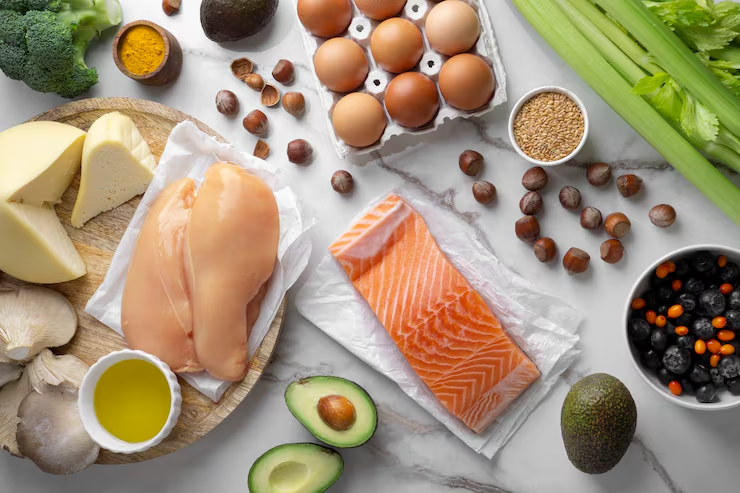
In conclusion, a high protein diet for weight loss is a practical, science-backed, and sustainable approach to achieving healthy fat loss and long-term wellness. By increasing protein intake in a balanced way, the body experiences better appetite control, improved metabolism, and preservation of lean muscle mass. Unlike extreme dieting methods, this approach supports steady energy levels and overall nutritional balance.
Following a high protein diet for weight loss involves smart habits such as choosing lean protein sources, including protein in every meal, replacing refined carbohydrates, staying hydrated, and combining nutrition with strength training. When practiced mindfully, protein-rich eating helps reduce cravings, supports fat burning, and improves body composition without feelings of deprivation.
Ultimately, a high protein diet for weight loss is not about excess, but consistency and balance. When paired with healthy lifestyle choices and regular physical activity, it promotes lasting results and better overall health. This makes it an ideal solution for individuals seeking effective weight management, improved strength, and sustainable long-term fitness.
FAQ’s
Q1. What is a high protein diet for weight loss?
A high protein diet for weight loss focuses on increasing protein intake to boost metabolism, reduce appetite, and promote fat loss.
Q2. How much protein should I eat daily for weight loss?
For weight loss, 1.2–1.6 grams of protein per kilogram of body weight is recommended.
Q3. Is a high protein diet safe for long-term weight loss?
Yes, when balanced with vegetables, healthy fats, and proper hydration.
Q4. Can vegetarians follow a high protein diet for weight loss?
Absolutely. Lentils, beans, tofu, paneer, quinoa, and nuts are excellent protein sources.
Q5. Does a high protein diet reduce belly fat?
Yes, it helps reduce overall body fat, including stubborn belly fat, when combined with exercise.