
Metabolism is an essential process in the body that converts food into energy, influencing how we store fat, burn calories, and manage weight. If you’re looking to boost your metabolism naturally, the food you eat plays a vital role. By incorporating certain foods into your diet, you can rev up your metabolism and help your body burn calories more efficiently. This article will discuss foods that boost metabolism, how they work, their benefits, and how to include them in your daily meals. Whether you’re trying to lose weight, maintain energy levels, or improve overall health, these metabolism-boosting foods can support your goals.
Understanding how certain foods impact your metabolism is key to managing your weight and improving overall health. Foods that boost metabolism can help you stay energized throughout the day while keeping your calorie-burning system functioning at an optimal level. In this article, we’ll cover the benefits of specific metabolism-boosting foods, how to incorporate them into your diet, and answer some of the most frequently asked questions about metabolism.
If you’re serious about enhancing your metabolism, incorporating these foods that boost metabolism into your meals can be a game-changer. From spicy ingredients to nutrient-rich foods, these metabolism-boosting foods have been proven to help increase fat-burning potential and improve overall metabolic health. Read on to learn more about these foods that boost metabolism, how they work, and why they are a vital part of any healthy lifestyle.

What Are Foods That Boost Metabolism?
Foods that boost metabolism refer to specific nutrients and compounds found in certain foods that encourage the body to burn more calories. These foods can enhance thermogenesis—the process of heat production in the body—which directly impacts how many calories are burned during digestion and throughout the day. These foods can help you increase calorie expenditure without the need for extreme workouts or harsh dieting.
Some of the most common foods that boost metabolism include high-protein foods like lean meats, eggs, and legumes, as well as spicy ingredients like chili peppers, which contain capsaicin—a compound known to increase calorie burn. Other foods like green tea, coffee, and whole grains can also provide significant metabolic benefits. These foods don’t just help with weight loss—they also improve your energy levels, support healthy digestion, and promote overall well-being.
When you consume these foods that boost metabolism, your body requires more energy to process them, leading to an increase in calorie burn. Additionally, many of these foods that boost metabolism support the function of key metabolic hormones like leptin and ghrelin, which regulate hunger and fat storage. By regularly including these foods in your meals, you can encourage your body to burn more calories, which can ultimately help you achieve your weight loss or fitness goals.
Why Do These Foods Boost Metabolism?
Foods that boost metabolism work through various mechanisms. One of the primary ways they achieve this is by increasing the thermic effect of food (TEF)—the amount of energy the body uses to digest and process food. For example, protein-rich foods require more energy to break down compared to fats and carbohydrates, which in turn increases calorie expenditure. Additionally, certain foods, like those containing caffeine or capsaicin, can stimulate the central nervous system, boosting your heart rate and metabolism.
Some foods that boost metabolism also help regulate hormones involved in metabolic processes. For instance, protein-rich foods increase the production of certain hormones like glucagon and insulin, which aid in fat-burning and energy utilization. Foods that boost metabolism that are rich in fiber, like vegetables and whole grains, can promote satiety, preventing overeating and supporting a healthy metabolism. When combined with a balanced diet, these metabolism-boosting foods can have a powerful effect on your body’s ability to burn calories more efficiently and maintain a healthy weight.
It’s also important to note that these foods that boost metabolism don’t work in isolation. They need to be combined with regular physical activity, adequate sleep, and proper hydration to have the most significant impact on metabolism. A holistic approach to improving metabolism will yield the best results, so don’t rely on just one type of food—incorporate a variety of metabolism-boosting foods to support long-term health and wellness.
Detailed Look at 8 Foods That Boost Metabolism
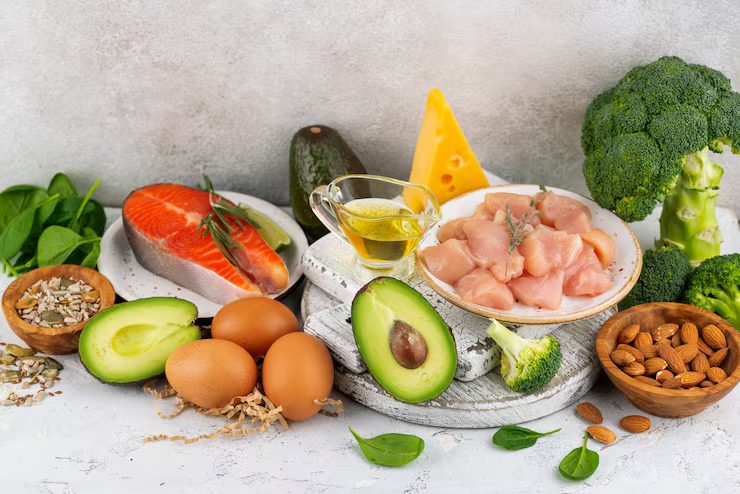
Lean Proteins (Chicken, Turkey, Fish)
Nutritional Benefits:
Lean proteins, such as chicken, turkey, and fish, are rich in high-quality protein, which is essential for building and repairing muscles. One of the reasons these foods that boost metabolism are so effective is because the body uses more energy to digest protein than it does to digest carbohydrates or fats. This process is known as the thermic effect of food (TEF). By incorporating lean protein sources into your diet, you increase your metabolic rate and burn more calories during digestion. Lean proteins also help preserve and build muscle mass, which plays a significant role in keeping metabolism high, even at rest.
Additionally, lean meats are often low in unhealthy fats and rich in important nutrients such as omega-3 fatty acids (found in fish), which help reduce inflammation and support cardiovascular health. By eating lean protein sources, you’re not only boosting your metabolism but also improving your overall health.
How to Make It:
To add lean proteins to your diet, try grilling, baking, or broiling chicken or turkey breasts. Fish like salmon, tuna, or trout can be grilled or baked with a squeeze of lemon and some herbs for added flavor. For variety, you can also try protein-rich salads with grilled chicken or make a fish taco bowl with quinoa. Avoid frying these proteins, as it can add unhealthy fats and negate their metabolism-boosting benefits. Aim to include lean protein in every meal to keep your metabolism working efficiently throughout the day.
Green Tea
Nutritional Benefits:
Green tea is a powerhouse when it comes to boosting metabolism. It contains catechins, particularly epigallocatechin gallate (EGCG), a compound that has been shown to enhance fat burning. Studies have demonstrated that consuming green tea can increase your metabolic rate by up to 4%. As one of the foods that boost metabolism, green tea stimulates thermogenesis, a process that helps the body burn more calories. The caffeine content in green tea, while modest compared to coffee, further enhances this effect by increasing your alertness and boosting your metabolism.
In addition to its metabolism-boosting properties, green tea is rich in antioxidants, which help combat oxidative stress and inflammation. It supports overall health by improving heart health, aiding digestion, and promoting fat loss. Drinking green tea regularly can also help regulate blood sugar levels, which is essential for managing weight and preventing metabolic diseases like diabetes.
How to Make It:
To make green tea, steep a bag of high-quality green tea in hot water for about 3 minutes. Avoid over-brewing, as this can make the tea bitter. Drink it in the morning or before meals to help increase your metabolism and support fat burning. If you prefer a stronger dose of catechins, you can switch to matcha, which contains more antioxidants and is more concentrated than regular green tea. Matcha can be whisked into water or added to smoothies. For an added boost, try adding lemon or honey for a bit of natural sweetness.
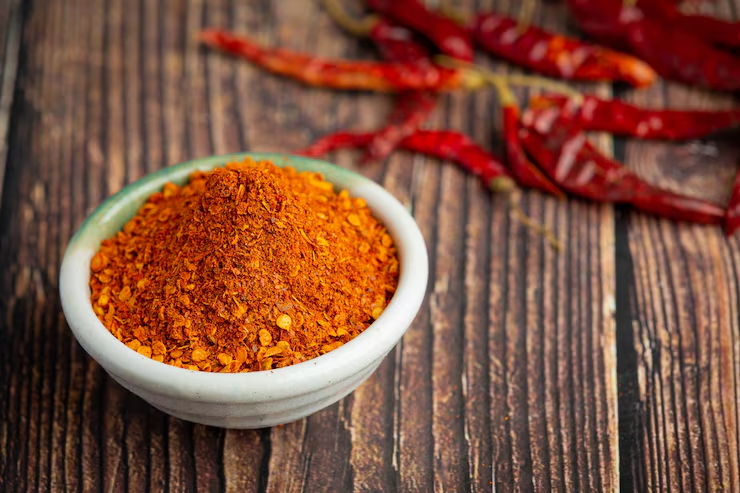
Spicy Foods (Chili Peppers)
Nutritional Benefits:
Spicy foods, particularly those containing chili peppers, have long been associated with increased metabolism. Chili peppers contain capsaicin, a compound that causes a sensation of heat and triggers thermogenesis, which boosts calorie burning. Studies have shown that capsaicin can increase metabolic rate by up to 8%. When consumed as part of a meal, these foods that boost metabolism can help burn fat, speed up digestion, and suppress appetite, making them excellent for weight management.
Moreover, spicy foods may also have anti-inflammatory effects, which contribute to a healthier metabolism overall. Capsaicin has been shown to reduce inflammation, which can improve metabolic processes and reduce the risk of obesity and other chronic conditions. By adding spicy foods like chili peppers to your meals, you can enjoy both their metabolism-boosting benefits and their vibrant flavor.
How to Make It:
You can easily incorporate chili peppers into your diet by adding them to soups, salads, stir-fries, or stews. Fresh chili peppers can be chopped and added to dishes, while chili flakes or hot sauce can be sprinkled on roasted vegetables or grilled meats. If you prefer milder heat, you can start by adding small amounts and gradually increase the spice level as your tolerance improves. For an extra metabolism boost, combine chili peppers with other foods that boost metabolism like lean protein or whole grains for a more filling and fat-burning meal.
Coffee
Nutritional Benefits:
Coffee, especially black coffee, is one of the most popular foods that boost metabolism due to its high caffeine content. Caffeine acts as a stimulant for the central nervous system, which increases heart rate and enhances calorie burning. Caffeine has been shown to increase metabolic rate by up to 11% and can improve physical performance during exercise, leading to more calories burned during workouts. The thermogenic effect of caffeine also makes it easier for the body to burn fat while at rest.
In addition to boosting metabolism, coffee is rich in antioxidants, which help protect cells from damage and support overall health. Drinking coffee in moderation can improve mood, enhance cognitive function, and support fat loss. However, it’s important to avoid adding too much sugar or cream, as this can counteract the positive effects of coffee on metabolism.
How to Make It:
To get the most out of your coffee, drink it black or with a small amount of unsweetened almond milk. Skip the sugary syrups or whipped cream, which can add unnecessary calories. For a metabolism-boosting morning routine, have a cup of coffee after waking up to kickstart your metabolism. If you exercise in the morning, try drinking a cup of coffee before your workout to enhance fat burning. For a variation, try cold brew coffee, which is slightly less acidic and can be a refreshing option for hot weather.
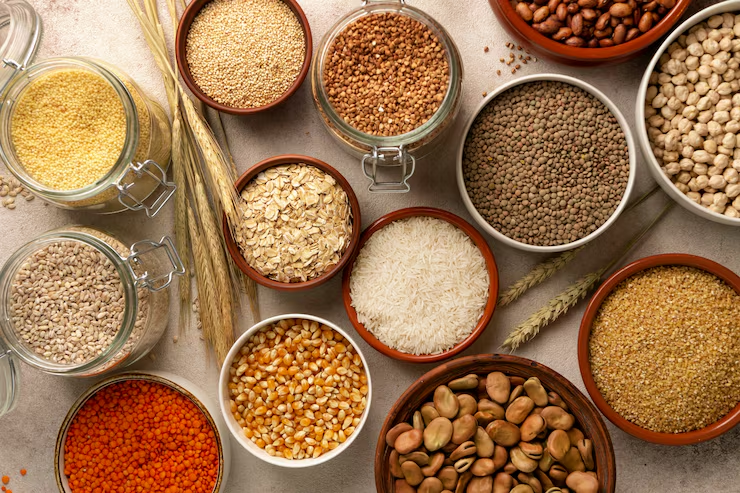
Whole Grains (Oats, Brown Rice, Quinoa)
Nutritional Benefits:
Whole grains like oats, brown rice, and quinoa are packed with fiber, which plays a key role in boosting metabolism. Fiber requires more energy to digest, which leads to an increase in calorie burn. These foods that boost metabolism also help stabilize blood sugar levels, preventing insulin spikes that can lead to fat storage. Whole grains are also rich in essential nutrients like B-vitamins, magnesium, and iron, which are crucial for energy production and maintaining a healthy metabolism.
In addition to their metabolic benefits, whole grains help promote feelings of fullness and reduce hunger, making it easier to control portion sizes and avoid overeating. By replacing refined grains with whole grains, you can support your body’s natural ability to burn calories efficiently while improving overall health. These foods that boost metabolism are not only nutrient-dense but also contribute to long-term weight management by keeping hunger in check and enhancing digestive function.
How to Make It:
To incorporate whole grains into your diet, start by swapping white rice with brown rice or quinoa. Enjoy oats as a breakfast option, either in oatmeal or as an ingredient in baked goods. Whole grains can also be added to soups, salads, or stir-fries for an extra boost of fiber and nutrients. Consider making a batch of quinoa or brown rice and using it as a base for various meals throughout the week. These foods that boost metabolism are versatile and easy to prepare, making them a great addition to any meal plan.
Ginger
Nutritional Benefits:
Ginger contains a bioactive compound called gingerol, which has been shown to boost metabolism by stimulating thermogenesis and increasing fat oxidation. As one of the foods that boost metabolism, ginger also helps improve digestion by promoting the production of digestive enzymes and speeding up nutrient absorption. It has anti-inflammatory properties, which support overall metabolic health and may aid in weight loss by reducing inflammation in the body.
In addition to its metabolism-boosting properties, ginger has been used for centuries to relieve nausea, improve circulation, and support the immune system. As one of the foods that boost metabolism, it can also help reduce muscle soreness after exercise, making it an excellent addition to your post-workout routine. The anti-inflammatory properties of ginger further support recovery and muscle repair, helping you stay on track with your fitness goals while enhancing your metabolic rate.
How to Make It:
To enjoy the metabolism-boosting benefits of ginger, you can add freshly grated ginger to smoothies, juices, or teas. Ginger tea is a particularly soothing option, especially when combined with honey or lemon for added flavor. You can also add ginger to stir-fries, soups, or marinades for an extra kick. For those who prefer a more concentrated form, ginger supplements are available, but whole ginger is always the best option for maximizing its benefits.
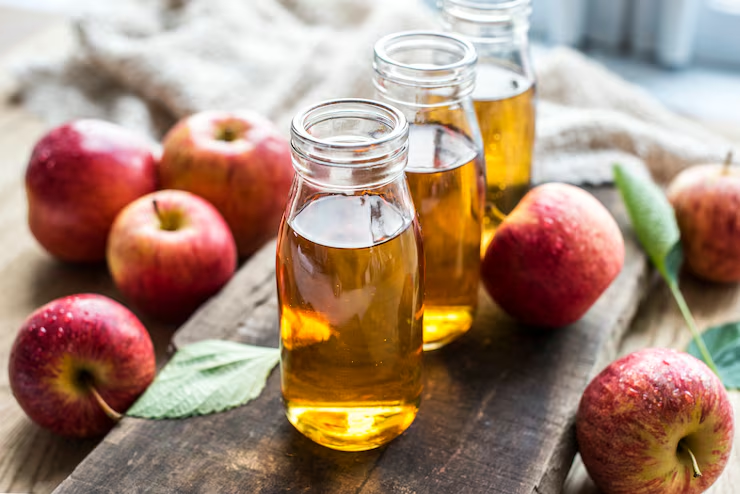
Apple Cider Vinegar
Nutritional Benefits:
Apple cider vinegar (ACV) contains acetic acid, which has been shown to increase fat burning and promote a healthy metabolism. Studies suggest that ACV can help reduce fat accumulation and regulate blood sugar levels, making it one of the foods that boost metabolism. Additionally, apple cider vinegar may help suppress appetite, leading to fewer cravings and more controlled portion sizes. ACV also supports digestion and detoxifies the body, contributing to overall metabolic health.
Regular consumption of apple cider vinegar can help maintain healthy insulin levels, which is important for metabolism. By keeping insulin levels stable, ACV can improve fat-burning and prevent the storage of excess calories as fat.
How to Make It:
To enjoy the metabolism-boosting effects of ACV, mix one to two tablespoons of apple cider vinegar in a glass of water and drink it before meals. This can help improve digestion and regulate blood sugar. ACV can also be added to salad dressings or used as a marinade for meats and vegetables. For those who find the taste too strong, try diluting it further or using it in a warm herbal tea. These foods that boost metabolism can easily be incorporated into your daily routine for maximum health benefits.
Water (Cold Water in Particular)
Nutritional Benefits:
Water is essential for maintaining proper hydration, but drinking cold water can also boost your metabolism. The body expends energy to warm cold water to body temperature, which increases calorie burn. As one of the foods that boost metabolism, water helps improve digestion, support metabolic processes, and regulate body temperature. Staying hydrated is also critical for maintaining energy levels and preventing fatigue, which helps you stay active and burn more calories throughout the day.
In addition to its metabolic benefits, drinking water supports the kidneys, liver, and digestive system, all of which play important roles in metabolism. Proper hydration also improves skin health, boosts cognitive function, and helps control hunger.
How to Make It:
Make it a habit to drink at least eight glasses of water per day. Start your day with a glass of cold water to kickstart your metabolism and hydrate your body. Carry a water bottle with you throughout the day to remind yourself to stay hydrated. You can also infuse your water with fruits like lemon or cucumber for added flavor and health benefits. Cold water is one of the easiest and most effective foods that boost metabolism, so make sure to drink enough daily for maximum results.
Conclusion
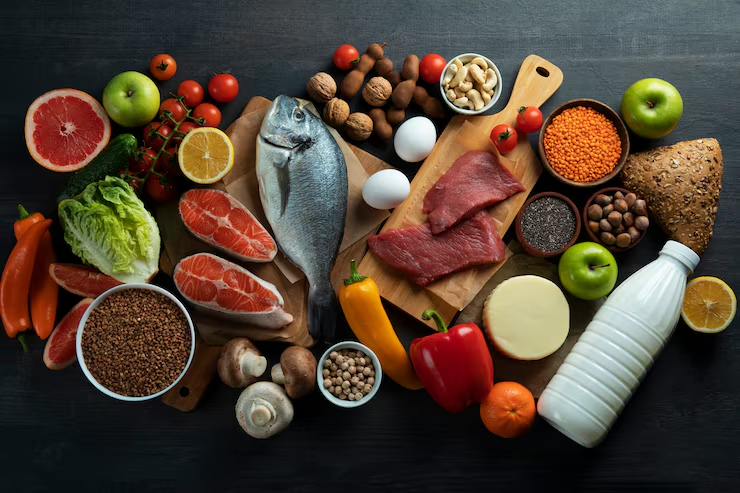
Incorporating foods that boost metabolism into your daily routine can have a profound impact on your ability to burn calories and manage your weight effectively. These foods that boost metabolism work in multiple ways to enhance thermogenesis, which is the process of heat production in the body that directly affects calorie burning. Additionally, they help regulate key metabolic hormones like insulin and glucagon, which play a role in fat-burning and energy utilization. By regularly consuming metabolism-boosting foods such as lean proteins, green tea, and spicy foods, you can naturally accelerate your calorie burn and support your overall well-being.
However, it’s crucial to remember that no single food will work miracles on its own. A balanced approach is key to long-term success. This includes combining foods that boost metabolism with other healthy lifestyle factors like regular exercise, staying properly hydrated, and getting enough quality sleep. When you adopt this holistic approach, you’ll maximize the effectiveness of the metabolism-boosting foods and see better results in terms of weight management, energy levels, and improved digestion.
Moreover, consistency is essential. Start by incorporating small changes to your diet, such as adding more fiber-rich vegetables or drinking a cup of green tea each day. As you continue to include these foods that boost metabolism, you will likely begin to notice the positive effects not only on your metabolism but also on your energy levels and overall health. The key to success is making these foods a part of your regular routine and maintaining a healthy, balanced lifestyle for optimal results.
FAQ’s
Q1. What are the best foods that boost metabolism?
Some of the best foods that boost metabolism include lean proteins like chicken and turkey, green tea, spicy foods with capsaicin, coffee, whole grains, ginger, apple cider vinegar, and cold water. These foods can increase calorie burn and improve digestion.
Q2. How does green tea boost metabolism?
Green tea contains antioxidants called catechins that help increase the metabolic rate and promote fat burning. Drinking green tea regularly can enhance your body’s ability to burn calories more efficiently.
Q3. Can drinking water really boost metabolism?
Yes, drinking water, especially cold water, can temporarily boost metabolism. The body expends energy to warm the water to body temperature, resulting in a slight increase in calorie burn.
Q4. How much coffee should I drink to boost metabolism?
Moderate consumption of coffee, around one to two cups per day, can boost metabolism. It’s important to avoid excessive caffeine intake as it may lead to dehydration and jitteriness.
Q5. Can spicy foods increase metabolism?
Yes, spicy foods that contain capsaicin, like chili peppers, can boost metabolism by increasing thermogenesis and calorie burn. They can also suppress appetite, helping with weight management.