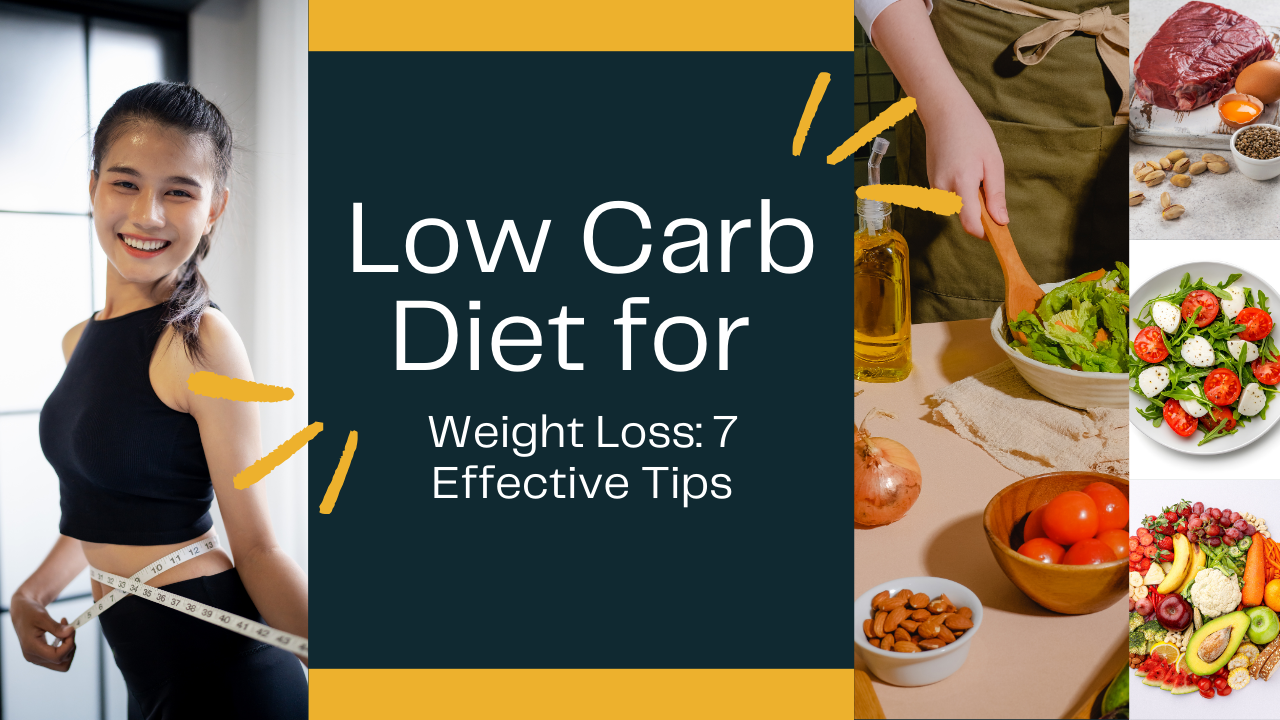
In today’s world, weight loss is a common goal for many individuals, and among the various approaches available, the low carb diet for weight loss has become a widely recommended method. The low carb diet emphasizes reducing the intake of carbohydrates, allowing the body to use fat as its primary energy source, which in turn supports weight loss. This diet is not only effective for shedding pounds but also helps improve overall health, including blood sugar control, heart health, and mental clarity. The concept behind the low carb diet for weight loss revolves around eliminating or drastically reducing the consumption of high-carb foods such as bread, pasta, and sugary snacks.
A key factor in the success of a low carb diet for weight loss is that it helps control hunger. Foods high in carbs, particularly refined sugars and processed grains, often trigger insulin spikes, leading to hunger cravings and overeating. On the other hand, low-carb meals tend to be more satiating, keeping you full longer and reducing the likelihood of snacking. By opting for a diet rich in lean proteins, healthy fats, and fiber-rich vegetables, you create a sustainable eating plan that encourages weight loss while promoting nutritional balance.
When embarking on the low carb diet for weight loss, it’s important to focus on the quality of your food choices. Instead of simply cutting carbs without thinking about the overall nutritional value of your meals, prioritize whole, nutrient-dense foods. This approach not only ensures you’re meeting your weight loss goals but also helps maintain long-term health. Through careful planning, a low carb diet can be both an enjoyable and sustainable lifestyle choice.
What is a Low Carb Diet for Weight Loss?
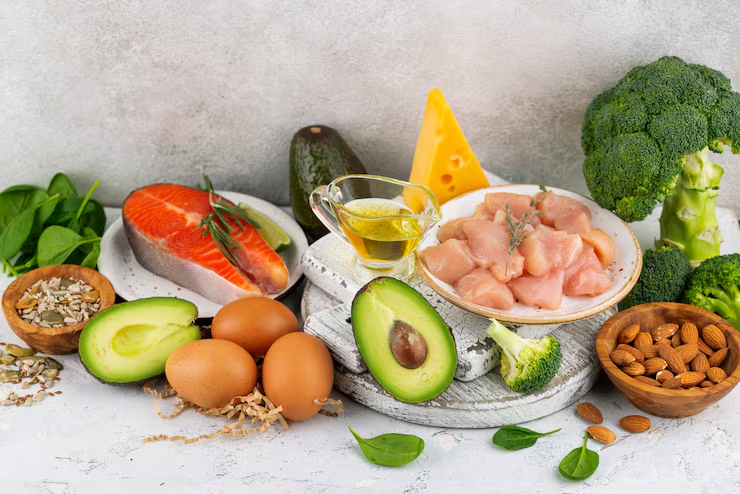
A low carb diet for weight loss refers to a dietary plan that significantly reduces the intake of carbohydrates and increases the consumption of proteins and fats. Typically, this means limiting or avoiding foods such as bread, pasta, rice, potatoes, and sugary snacks. By reducing carb intake, the body is forced into a metabolic state called ketosis, where it burns stored fat for energy instead of relying on glucose derived from carbohydrates. This process plays a crucial role in helping individuals achieve weight loss goals, especially in the absence of regular exercise.
In addition to weight loss, the low carb diet for weight loss is associated with several health benefits. It can help improve insulin sensitivity, which is particularly beneficial for individuals with type 2 diabetes or those at risk. It may also reduce inflammation in the body, potentially improving conditions such as arthritis and promoting heart health. By stabilizing blood sugar levels, this diet can enhance energy levels and prevent the energy crashes commonly experienced after consuming carb-heavy meals.
Another advantage of the low carb diet for weight loss is its ability to support lean muscle retention. While traditional calorie-restricted diets often result in the loss of muscle mass, the high-protein nature of a low carb diet helps preserve muscle tissue. This is particularly important for individuals looking to maintain or build muscle while losing fat, as it ensures that weight loss comes primarily from fat stores, not muscle tissue.
Why Choose a Low Carb Diet for Weight Loss?
The primary reason people choose a low carb diet for weight loss is its effectiveness. Research has shown that individuals following a low carb diet tend to lose more weight compared to those on low-fat diets. The reduction in carbohydrate intake leads to a reduction in insulin levels, which helps the body burn fat more efficiently. Additionally, lower insulin levels may also reduce fat storage, making it easier to lose weight without feeling deprived.
A significant benefit of the low carb diet for weight loss is its impact on appetite control. Carbohydrates, particularly refined carbs and sugars, cause spikes and crashes in blood sugar levels, leading to feelings of hunger and cravings. With a low carb diet, blood sugar levels remain stable, reducing these hunger pangs. Furthermore, fats and proteins, which are the main components of the diet, are more filling, meaning you’ll feel satisfied with fewer calories.
Another compelling reason to opt for the low carb diet for weight loss is the speed of results. Many individuals experience rapid weight loss in the initial stages, as the body sheds water weight and starts using fat for fuel. This quick progress can be highly motivating, encouraging continued adherence to the diet. Over time, as the body becomes more accustomed to fat-burning, the rate of weight loss stabilizes but continues at a steady pace.
Proven Tips for Effective Results
Reducing Carbohydrates for Weight Loss
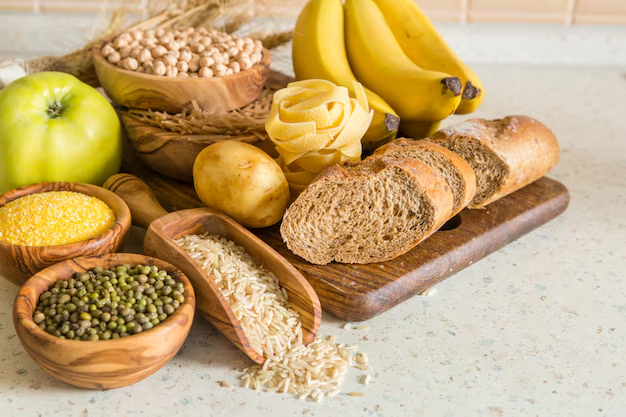
The cornerstone of the low carb diet for weight loss is the reduction of carbohydrates in your daily intake. Carbs are the body’s primary source of energy, but when you consume too many, the excess is stored as fat. By cutting down on carbs, your body begins to burn fat for energy, helping with weight loss.
Nutritional Benefits:
Reducing carbs helps to balance blood sugar levels and prevents insulin spikes, which can lead to fat storage. The nutritional benefit here is that when you reduce carbs, your body shifts into a state of ketosis, where it burns stored fat for energy. This transition leads to the loss of body fat and promotes overall health by stabilizing insulin and blood sugar levels.
How to Make It:
To reduce carbs effectively, eliminate or cut down on bread, pasta, rice, sugary snacks, and processed foods. Instead, focus on whole foods such as lean meats, vegetables, and healthy fats like avocados. Incorporating more vegetables like spinach, kale, and broccoli into your meals will provide essential nutrients while keeping your carb intake low.
High Protein Intake to Preserve Muscle
One of the most important aspects of the low carb diet for weight loss is the high intake of proteins. Protein helps to build and preserve muscle mass, especially when the body is in a fat-burning state. While cutting carbs, it’s essential to maintain adequate protein intake to avoid losing muscle along with fat.
Nutritional Benefits:
A high-protein diet helps to preserve lean muscle tissue, even when in a calorie deficit for weight loss. Protein also helps with muscle repair, recovery, and growth, ensuring that your body burns fat instead of muscle. The nutritional benefit of protein is that it increases thermogenesis—the process through which your body burns calories. Furthermore, protein increases satiety, making you feel fuller for longer, reducing the risk of overeating.
How to Make It:
Focus on including high-quality protein sources such as lean meats (chicken, turkey, fish), eggs, tofu, and legumes. Protein-rich foods should be part of every meal, whether in the form of grilled chicken breast or an egg scramble with veggies. You can also opt for protein shakes if you’re in a hurry or need an extra boost to reach your daily protein target.
Healthy Fats for Long-Lasting Energy
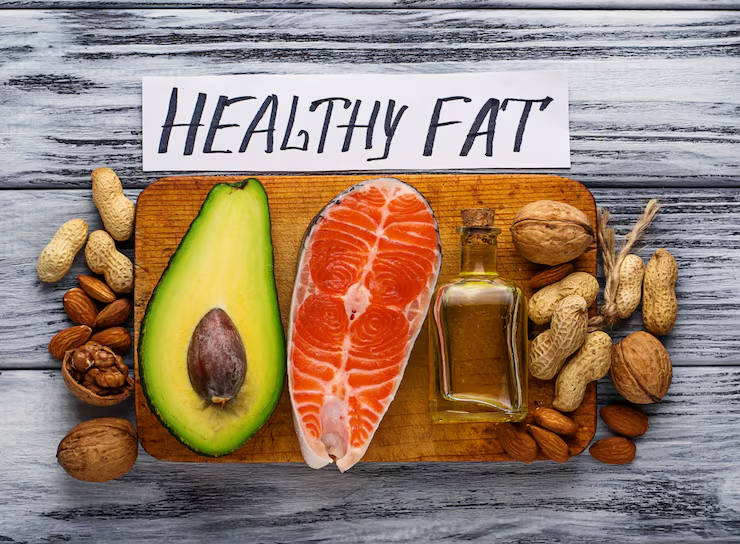
Fats often get a bad rap, but healthy fats are essential for a balanced low carb diet for weight loss. Healthy fats from sources like avocado, olive oil, nuts, and fatty fish not only support weight loss but also provide long-lasting energy throughout the day. Unlike carbs, fats do not cause blood sugar spikes and crashes, making them an excellent source of stable energy.
Nutritional Benefits:
Healthy fats like omega-3s from fatty fish and avocados can lower inflammation, promote heart health, and provide essential fatty acids that the body cannot produce. Additionally, fats are more calorie-dense than carbs, which can help you stay full longer. When you consume healthy fats, your body can use them as a slow-burning fuel, making them an excellent addition to any weight loss plan.
How to Make It:
Incorporate healthy fats into every meal by using olive oil in salad dressings, adding avocado to smoothies, or enjoying a handful of nuts as a snack. Fatty fish such as salmon, sardines, and mackerel are also excellent sources of healthy fats. You can easily replace high-carb snacks with a small portion of nuts or seeds to keep you energized throughout the day.
Increased Vegetables for Fiber and Nutrients
the low carb diet for weight loss emphasizes reducing carbs, vegetables remain a critical component. Many low-carb vegetables are rich in fiber, vitamins, and minerals that promote overall health. The key is choosing non-starchy vegetables, which are low in carbohydrates but packed with essential nutrients.
Nutritional Benefits:
Low-carb vegetables like spinach, zucchini, and cauliflower are rich in fiber, which helps improve digestion and promotes feelings of fullness. Fiber also supports blood sugar control and healthy cholesterol levels. Additionally, vegetables are rich in antioxidants and micronutrients, which help support the immune system, reduce inflammation, and promote healthy skin.
How to Make It:
To ensure you’re getting the right nutrients while keeping carbs low, focus on non-starchy vegetables like leafy greens, cucumbers, and bell peppers. These vegetables can be enjoyed raw in salads, or you can cook them into stir-fries, soups, or stews. You can also use cauliflower as a substitute for higher-carb grains like rice and potatoes.
Managing Blood Sugar Levels for Sustainable Weight Loss
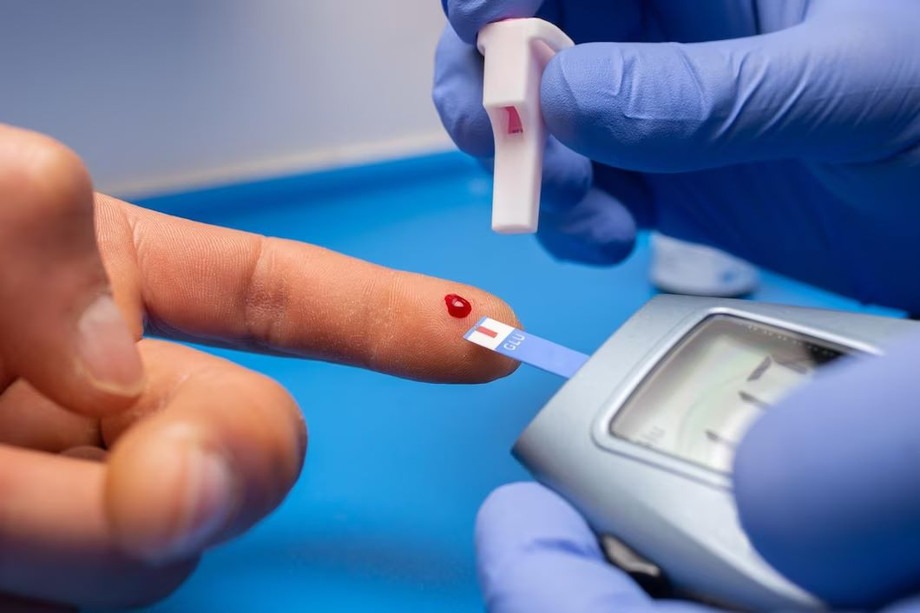
One of the major benefits of a low carb diet for weight loss is the positive effect it has on blood sugar levels. By reducing carbohydrate intake, you minimize insulin spikes and prevent the body from storing excess sugar as fat. This helps with both weight loss and overall metabolic health.
Nutritional Benefits:
When you reduce carbs, your body produces less insulin, a hormone that regulates blood sugar levels. Lower insulin levels help the body burn fat more efficiently and reduce fat storage. This also helps manage or even prevent type 2 diabetes, as the body becomes more sensitive to insulin. Keeping blood sugar stable throughout the day can also boost your energy and improve mental clarity.
How to Make It:
To manage blood sugar, focus on low-glycemic foods like leafy greens, nuts, seeds, and high-protein foods. Avoid high-carb, sugary snacks, and opt for meals that incorporate healthy fats and fiber, which slow the digestion of carbohydrates and stabilize blood sugar. Keep portions controlled to avoid overeating and excess sugar consumption.
Enhanced Ketosis for Fat Burning
The low carb diet for weight loss encourages your body to enter ketosis, a metabolic state in which your body burns fat for fuel instead of glucose. When carbs are limited, the body starts breaking down fat into ketones, which become the primary energy source. This leads to significant weight loss, especially in the initial stages.
Nutritional Benefits:
Ketosis has numerous benefits, including enhanced fat burning, reduced hunger, and improved mental clarity. By shifting your body’s energy source from glucose to ketones, you promote the utilization of stored body fat. The nutritional benefit of ketosis is that it allows for continuous fat burning throughout the day, even while you are at rest.
How to Make It:
To achieve ketosis, you must keep your carb intake very low, typically under 20-50 grams of carbs per day. Increase your intake of healthy fats and moderate proteins. Foods like eggs, fatty fish, avocados, and oils like coconut oil will help promote ketosis. Track your carb intake carefully to ensure you remain in this fat-burning state.
Increased Satiety and Reduced Hunger

A major struggle for many people on weight loss diets is constant hunger. However, with a low carb diet for weight loss, increased fat and protein intake can help reduce hunger significantly. When you eat nutrient-dense foods, your body feels satisfied, and you are less likely to experience cravings.
Nutritional Benefits:
The combination of protein and fat in a low carb diet helps trigger the release of hormones that suppress appetite, such as peptide YY and leptin. By increasing the feeling of fullness, you naturally consume fewer calories, making weight loss easier. Additionally, fats and proteins take longer to digest, contributing to longer periods of satiety.
How to Make It:
Make sure your meals are rich in proteins and fats, such as grilled chicken with avocado or an omelet with spinach and cheese. Incorporating healthy snacks like nuts or a hard-boiled egg can also help you stay full between meals. By focusing on satiating foods, you won’t feel the need to snack excessively.
Better Digestion and Gut Health
A low carb diet for weight loss can positively affect digestion, especially when you incorporate high-fiber vegetables. By avoiding processed carbs and focusing on whole, nutrient-dense foods, you can reduce bloating, indigestion, and other digestive issues.
Nutritional Benefits:
The fiber found in non-starchy vegetables supports healthy digestion by promoting regular bowel movements. Fiber also feeds the beneficial bacteria in your gut, promoting a healthy microbiome. A well-balanced gut microbiome is essential for overall health, as it influences everything from immunity to mental health.
How to Make It:
To support digestion, include a variety of high-fiber vegetables in your meals. Consider adding chia seeds, flax seeds, or psyllium husk to smoothies or oatmeal for an added fiber boost. Avoid high-carb, processed foods that can irritate the digestive system and promote inflammation.
Improved Mental Clarity and Focus

Many people on low carb diets report feeling more focused and mentally clear. This could be due to the stabilization of blood sugar levels and the shift to ketones as the primary energy source for the brain. Without the highs and lows associated with carb consumption, mental energy becomes more consistent.
Nutritional Benefits:
“By stabilizing blood sugar levels, the low carb diet for weight loss reduces the energy dips that often lead to brain fog and lack of concentration. Ketones, the energy source produced during ketosis, are an efficient fuel for the brain, which can lead to improved cognitive function, mental clarity, and focus.”
How to Make It:
“Ensure your meals are rich in nutrient-dense fats and proteins, such as avocado, olive oil, and eggs. These foods promote mental clarity by providing a steady energy source for the brain. Avoid sugar-laden snacks, which cause blood sugar fluctuations and mental fatigue. A low carb diet for weight loss can help stabilize blood sugar levels and support cognitive function.”
Sustainable Long-Term Weight Management
The low carb diet for weight loss isn’t just a quick fix; it can be a sustainable lifestyle choice that promotes long-term weight management. By focusing on whole foods and reducing carb intake, you create a dietary pattern that supports weight maintenance while still enjoying flavorful and filling meals.
Nutritional Benefits:
“Sustainability comes from eating foods that are nutrient-dense and satisfying. By adopting a low carb diet for weight loss, you’re not only setting yourself up for weight loss but for ongoing health improvements. Maintaining a stable weight over the long term becomes easier when you’re eating foods that fuel your body effectively without relying on high-carb processed foods.”
How to Make It:
To maintain a sustainable low carb lifestyle, focus on meal planning and preparation. Prepare healthy meals in advance and carry low-carb snacks with you. Ensure that every meal includes a balance of fats, protein, and fiber-rich vegetables to keep you full and satisfied.
Conclusion
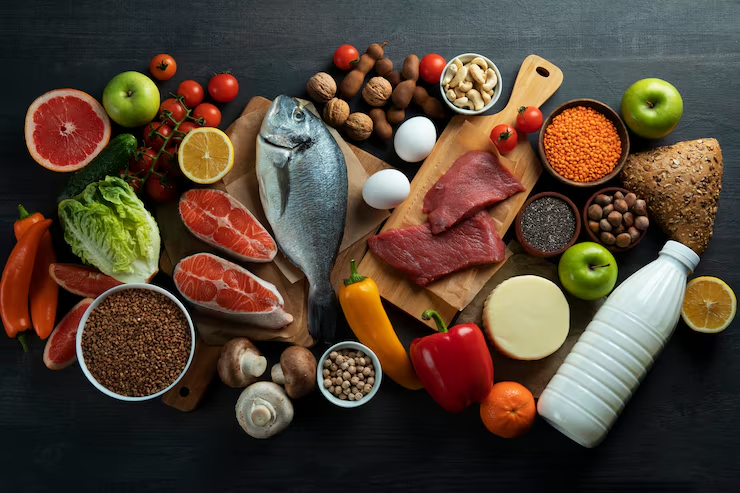
In conclusion, the low carb diet for weight loss offers a proven, effective method for shedding excess pounds and improving overall health. By reducing carb intake and focusing on nutrient-dense foods, this diet helps the body enter a fat-burning state, promoting rapid weight loss while supporting heart health, blood sugar regulation, and muscle preservation. Whether you’re looking to lose weight, maintain a healthy lifestyle, or improve your metabolic health, the low carb diet can provide lasting results with consistency and planning.
While the low carb diet for weight loss may seem challenging at first, the benefits far outweigh the temporary discomfort. By making smart food choices, such as incorporating lean proteins, healthy fats, and non-starchy vegetables into your meals, you can achieve sustainable weight loss and improved well-being. As with any diet plan, it’s important to approach the low carb diet with patience, consistency, and a long-term mindset to maximize its benefits.
Ultimately, the low carb diet for weight loss is not just about cutting carbs but about transforming your relationship with food and embracing a healthier, more balanced lifestyle. With careful planning, a variety of delicious foods, and mindful eating, you can achieve your weight loss goals while enhancing your overall health and quality of life.
FAQ’s
Q1. How long does it take to see results with a low carb diet for weight loss?
Most people begin to notice weight loss results within the first week of following a low carb diet, due to the reduction in water weight and the body’s shift to burning fat for fuel. However, sustained weight loss typically occurs after two to three weeks.
Q2. Is the low carb diet safe for everyone?
While a low carb diet can be effective for many people, it’s essential to consult with a healthcare provider before starting, especially for those with medical conditions like diabetes, kidney disease, or cardiovascular issues.
Q3. Can I still eat fruits on a low carb diet for weight loss?
Fruits are generally high in carbohydrates, but you can still include some lower-carb fruits like berries, avocados, and tomatoes in moderation. Be mindful of portion sizes to stay within your daily carb limits.
Q4. How do I deal with cravings on a low carb diet for weight loss?
Cravings can be managed by ensuring you’re consuming enough healthy fats and proteins, which keep you fuller for longer. Drinking water and eating low-carb snacks like nuts can also help alleviate cravings.
Q5. What are some common mistakes people make on a low carb diet for weight loss?
Common mistakes include not tracking carb intake, eating too many processed low-carb foods, and neglecting to get enough vegetables or healthy fats. It’s essential to focus on whole, nutrient-rich foods to ensure long-term success.